
Bespoke Ladakh journeys for travellers who value depth over speed.
Whitecrane Journeys curates itineraries across Ladakh, combining altitude-aware planning, handpicked stays, experienced local guides, monastery and village experiences, seasonal route intelligence, permit guidance and responsible travel practices. Each journey is curated to offer a slower, more meaningful way to explore Ladakh’s high- altitude landscapes and living culture..
Journeys shaped by Ladakh, not by hurry.
For travellers who prefer depth to display, Ladakh offers something rare: silence, scale, culture and distance in their purest form. Whitecrane shapes each journey with restraint — choosing routes, stays, guides and pauses with care, so that the experience feels intimate, intelligent and respectful of the fragile Himalayan world it enters.
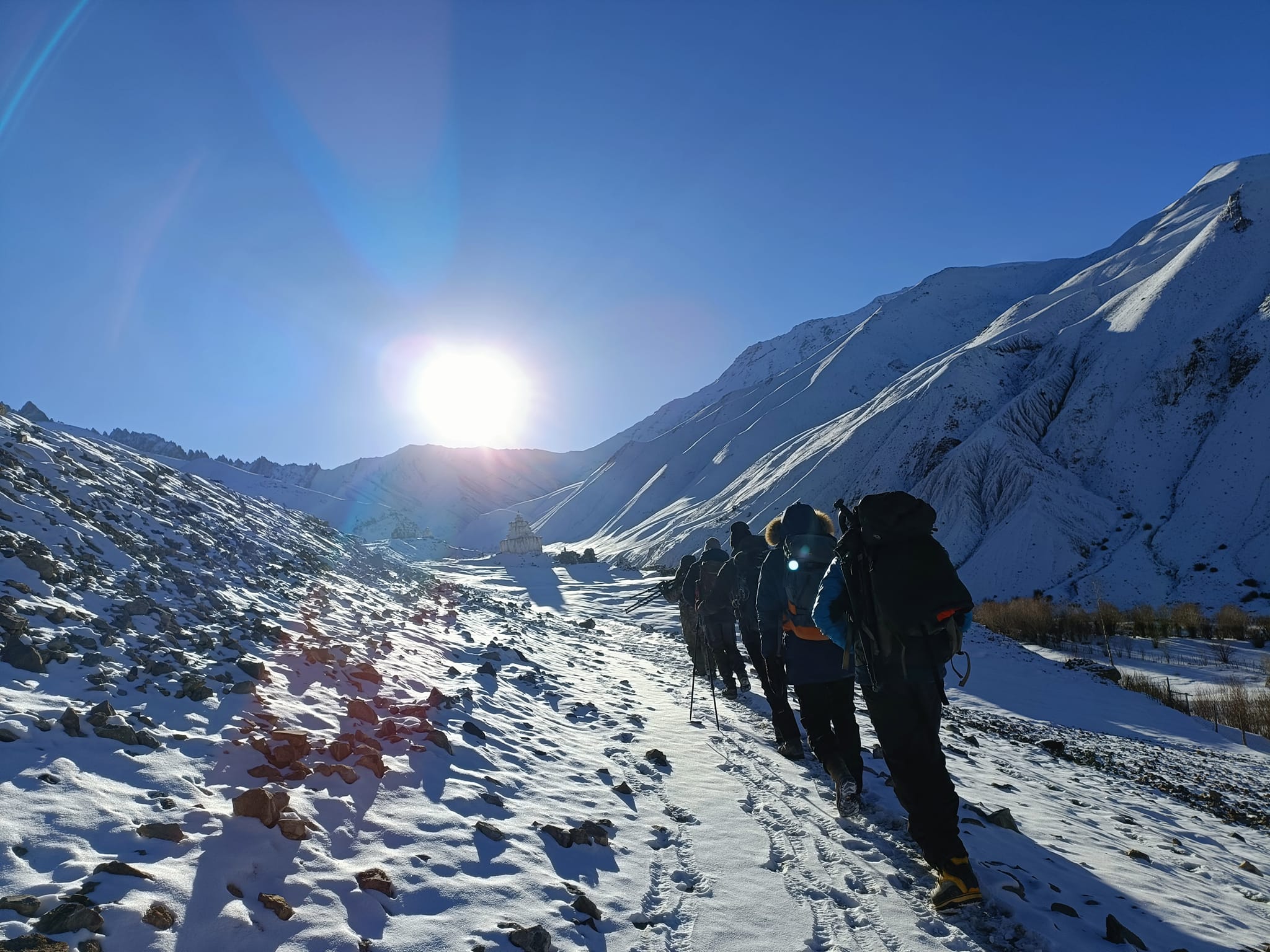
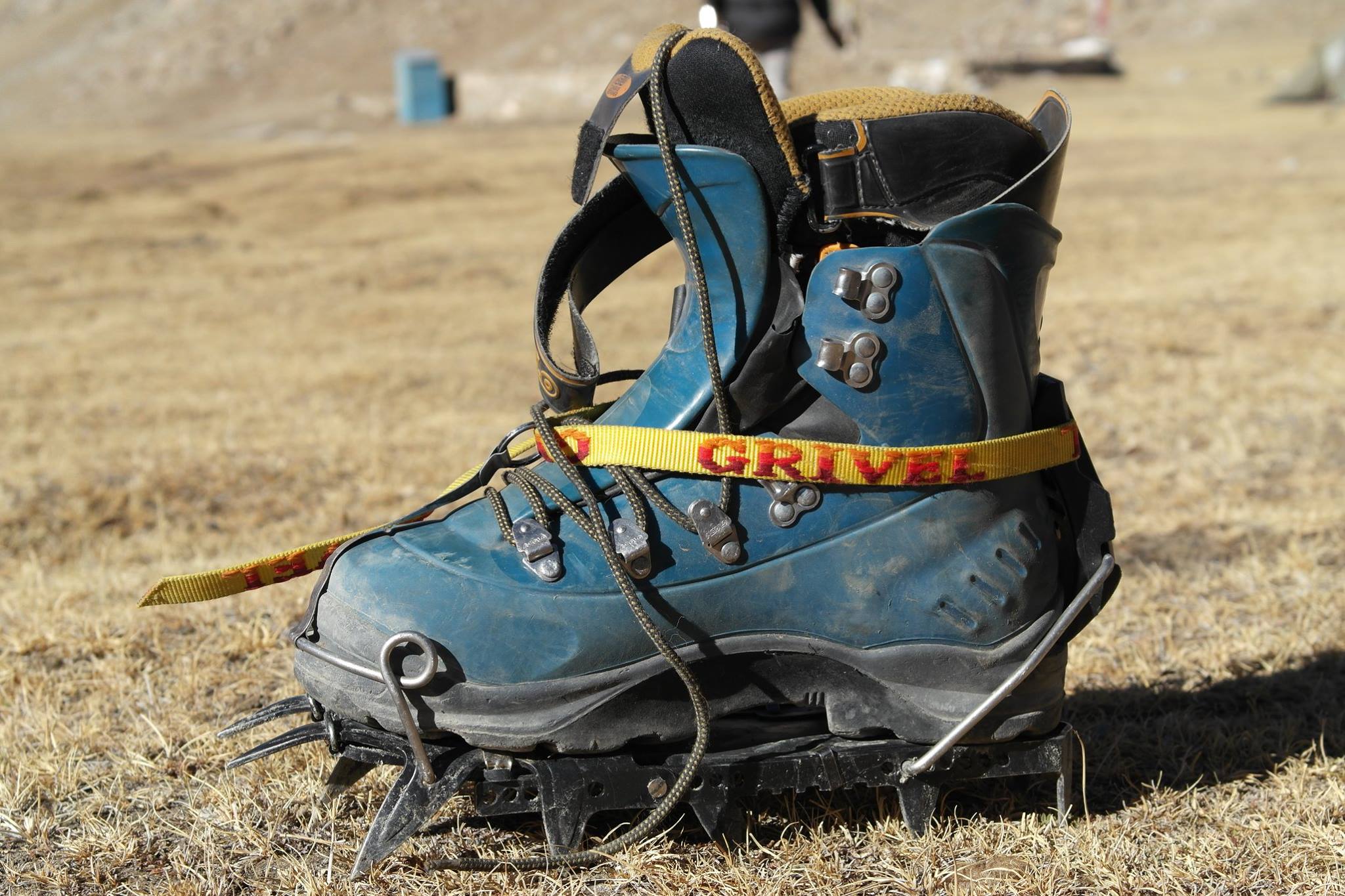
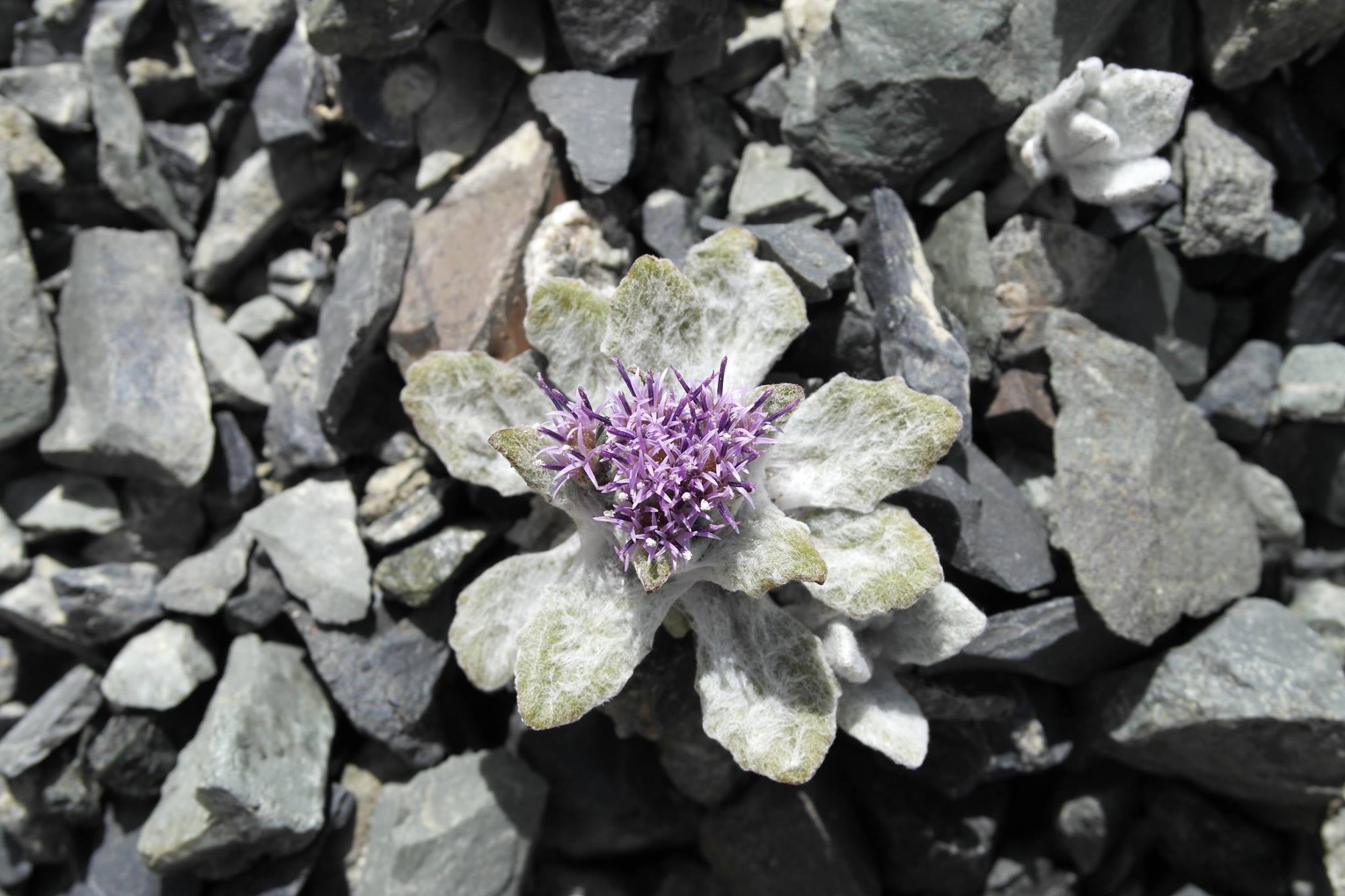
Each region asks for a different kind of journey.
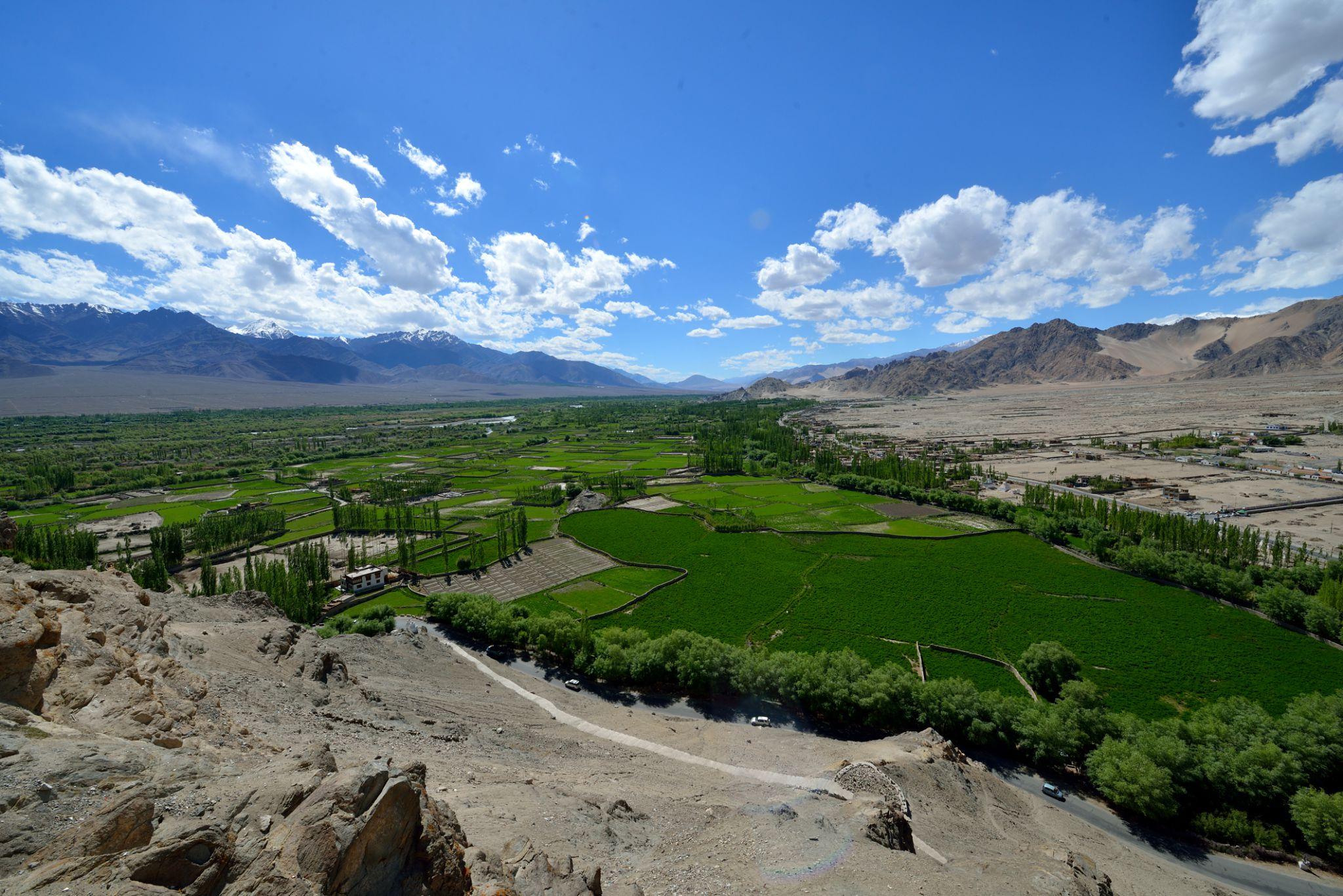
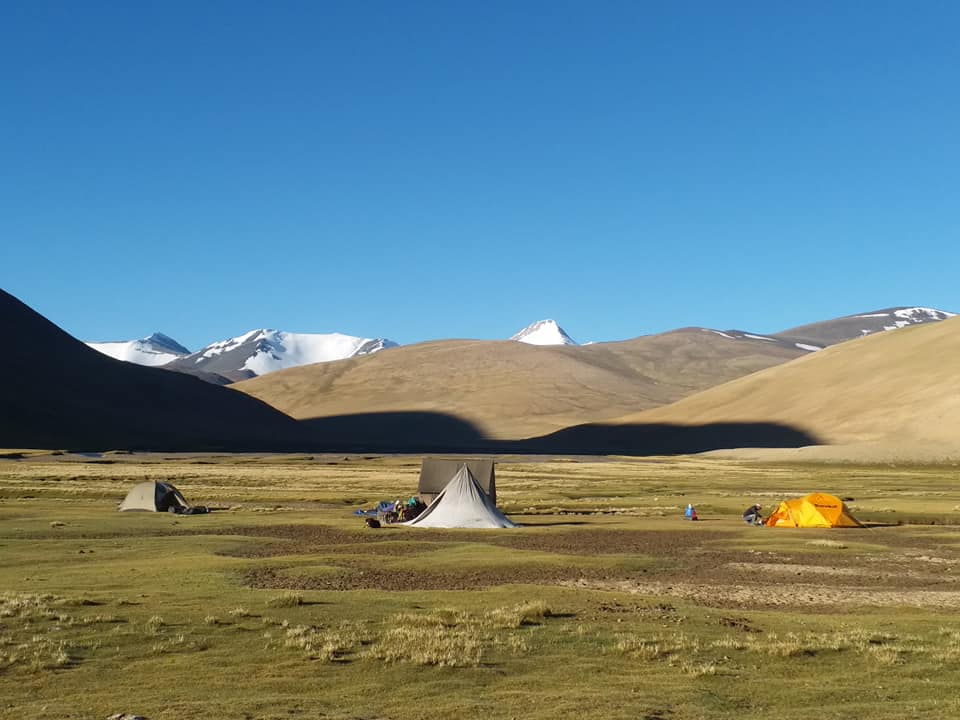
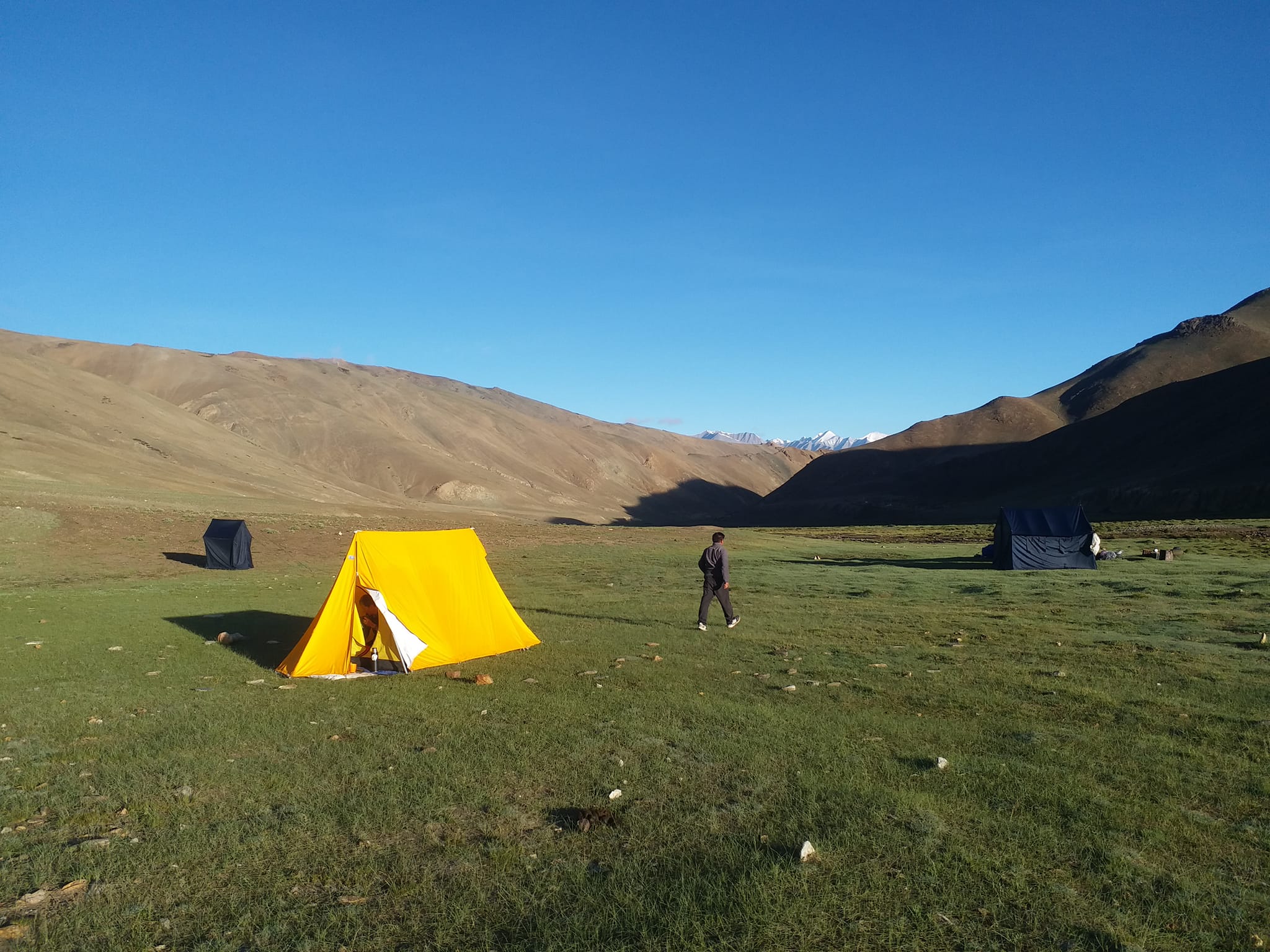
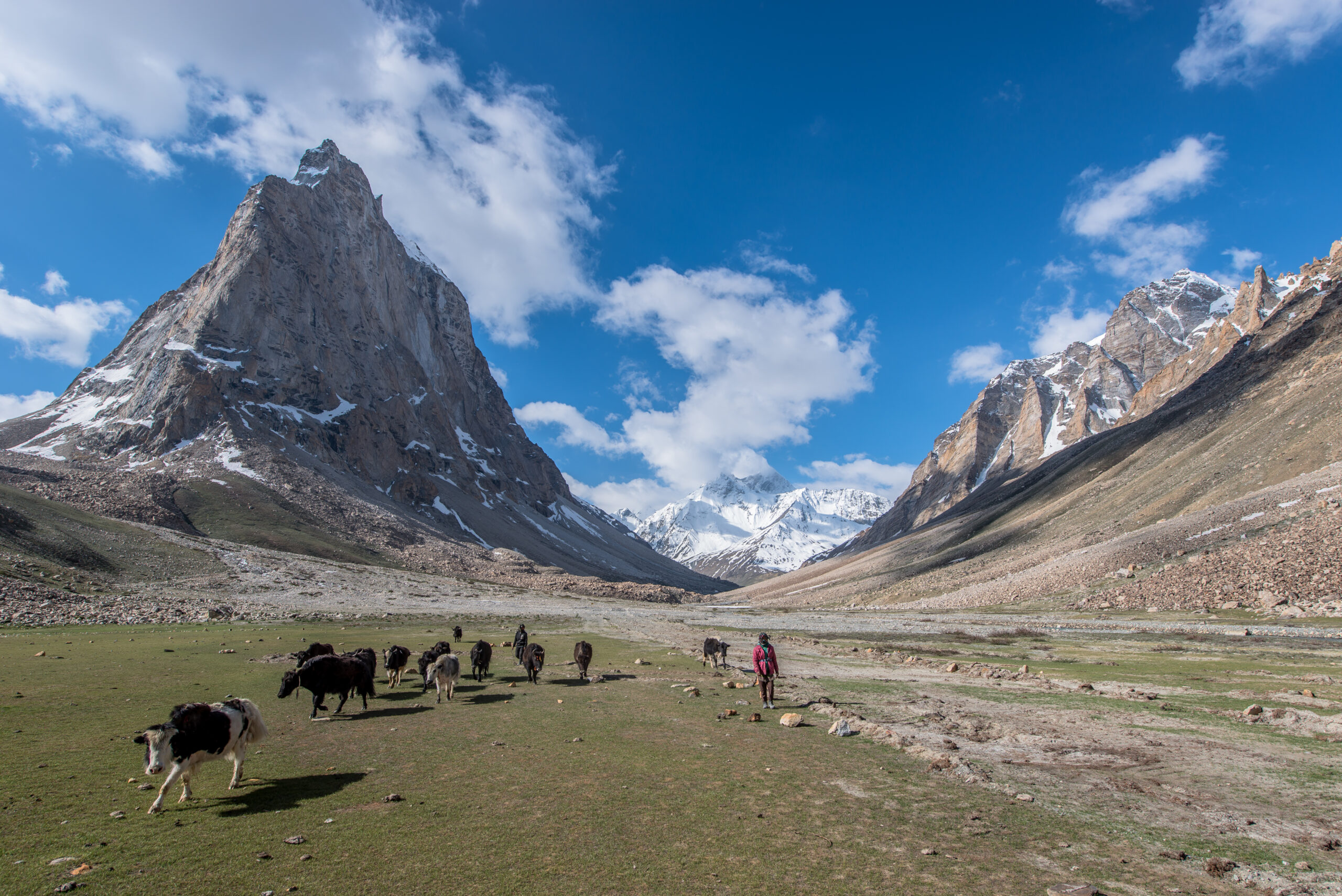
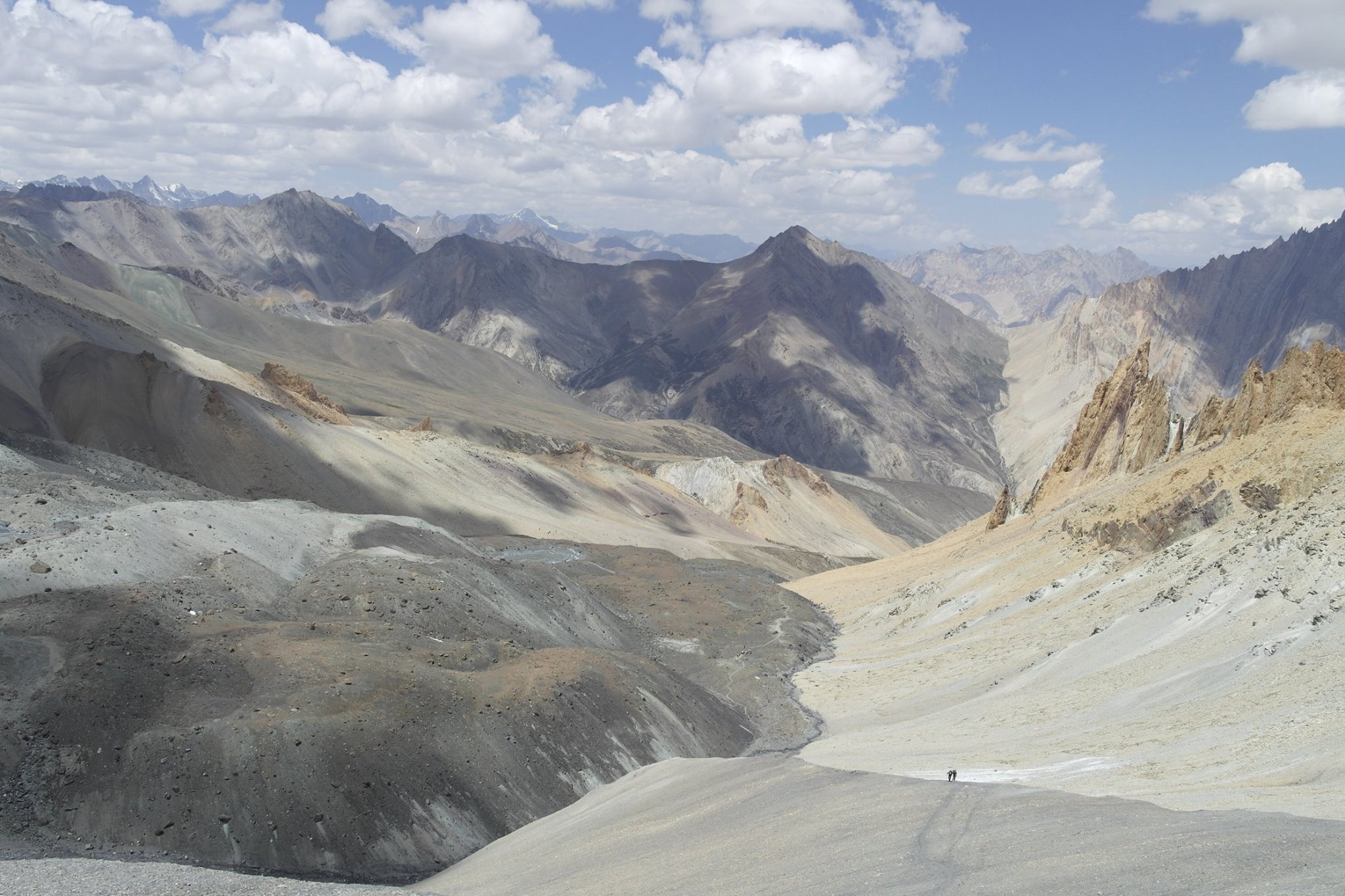
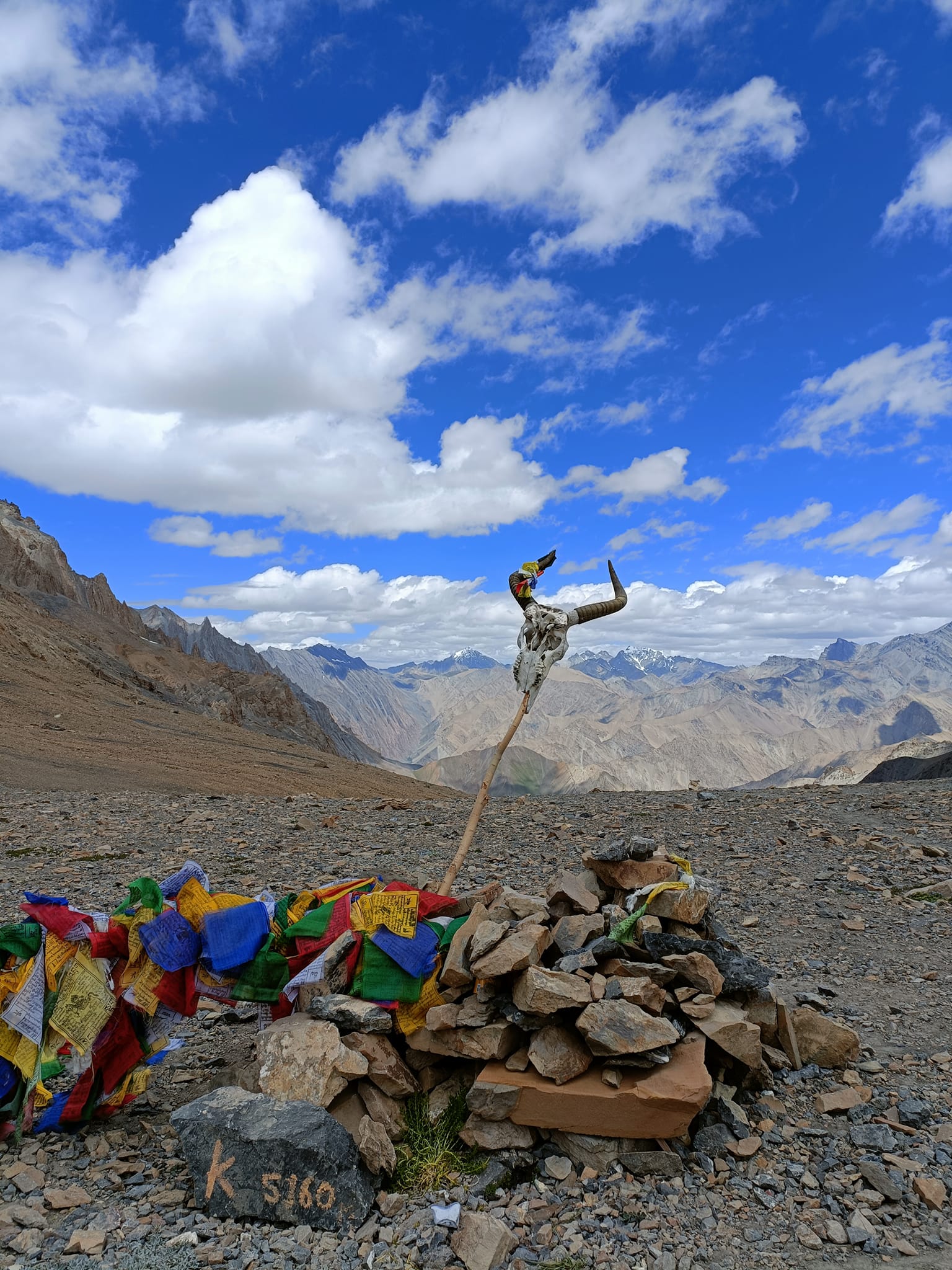
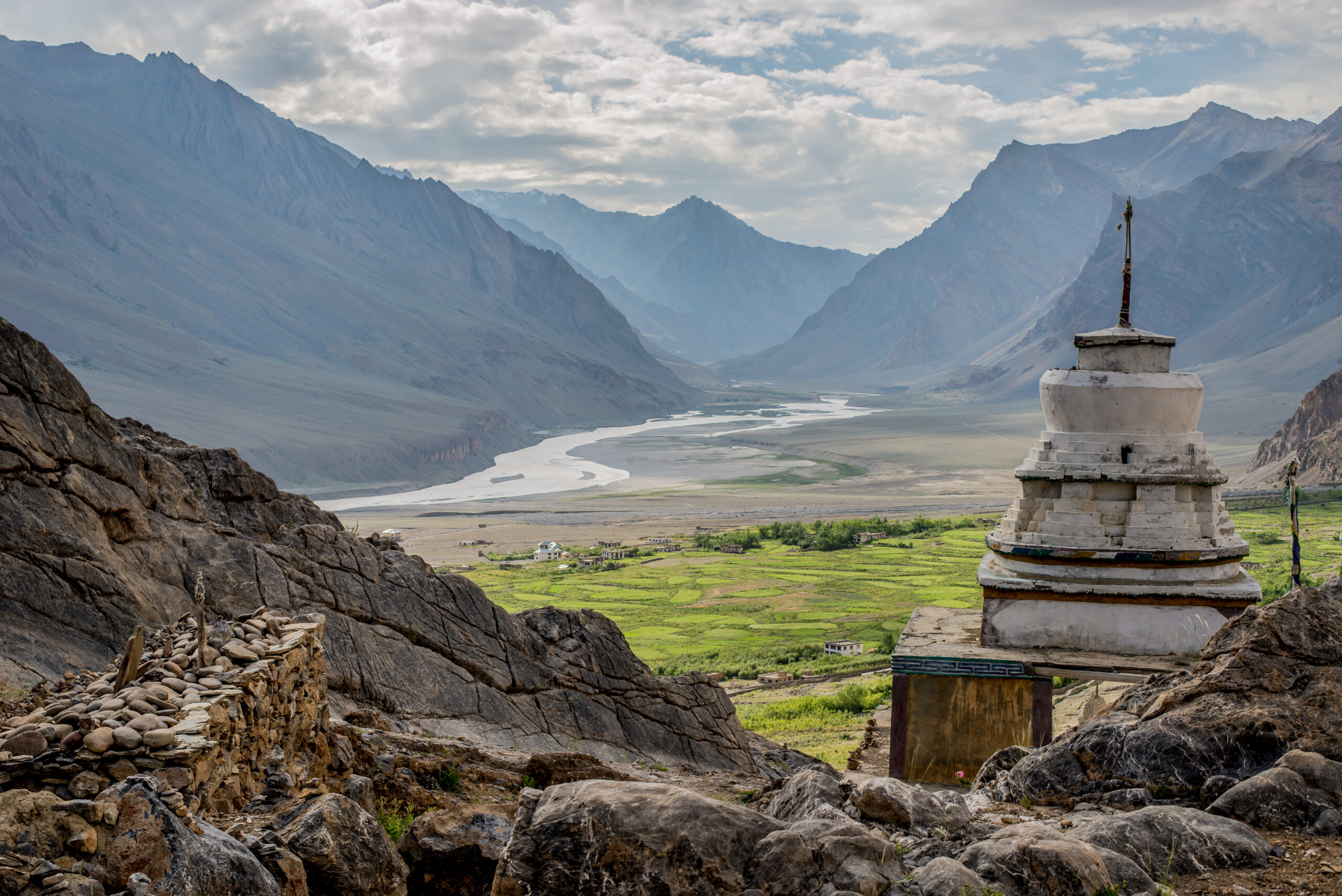
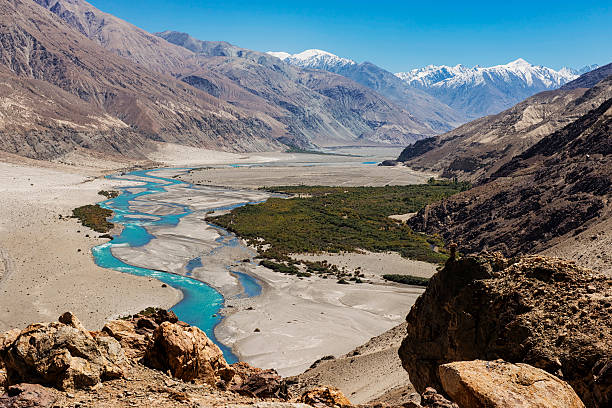
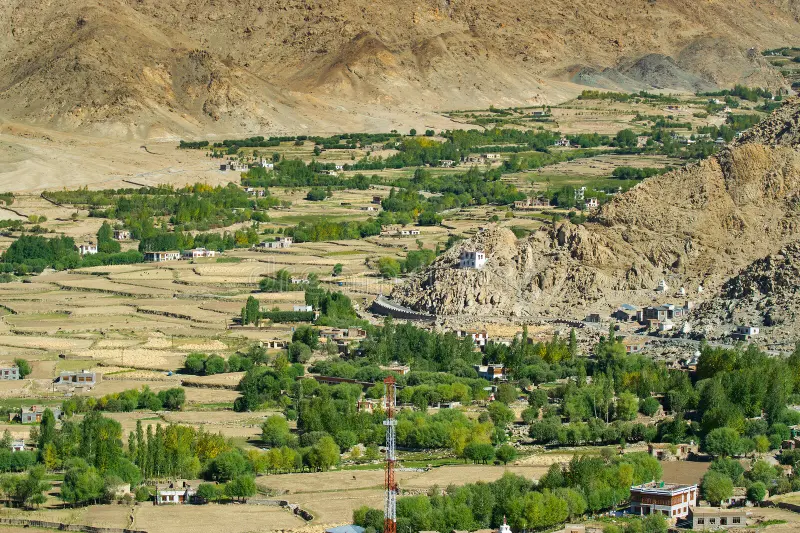
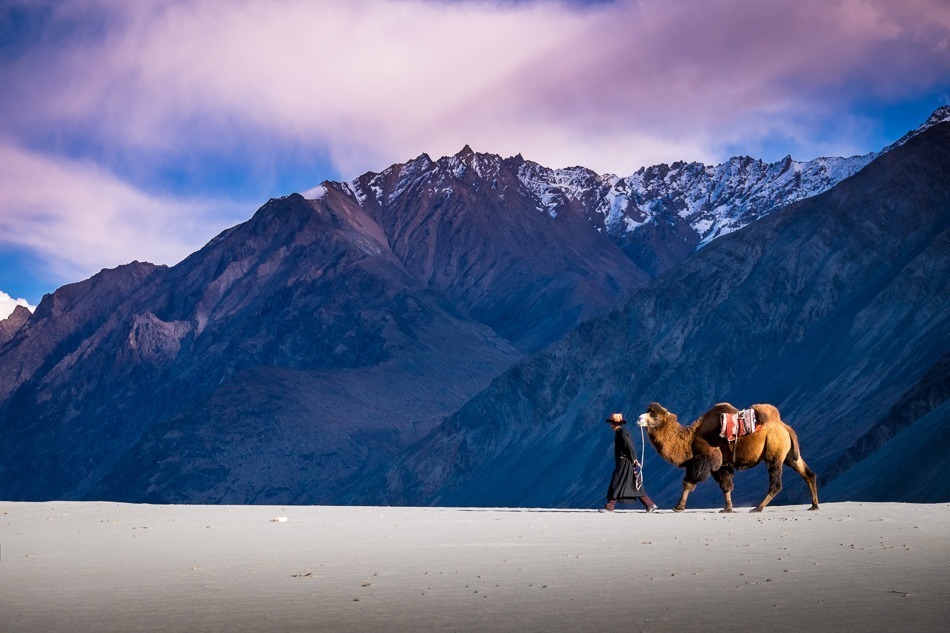
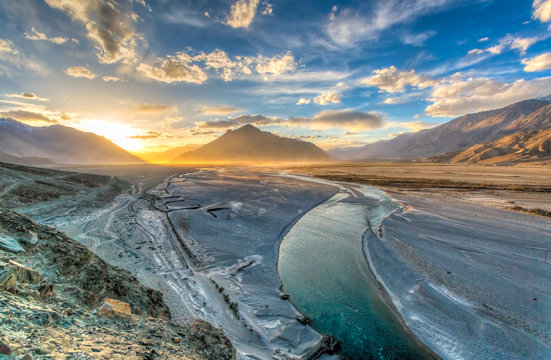
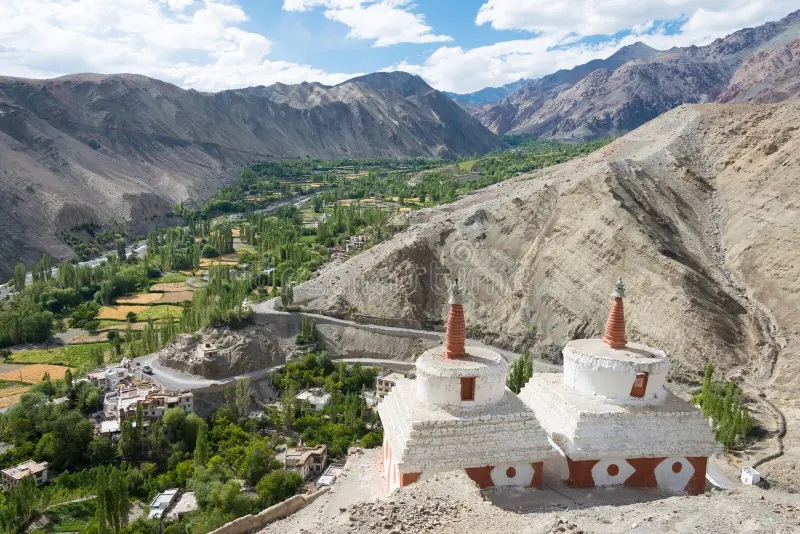
Ladakh is not one destination. Leh, Nubra, Sham, Zanskar and Changthang each have a different altitude profile, road rhythm, cultural landscape and ecological sensitivity. Our region guides help travellers choose the right Ladakh itinerary before choosing the route.
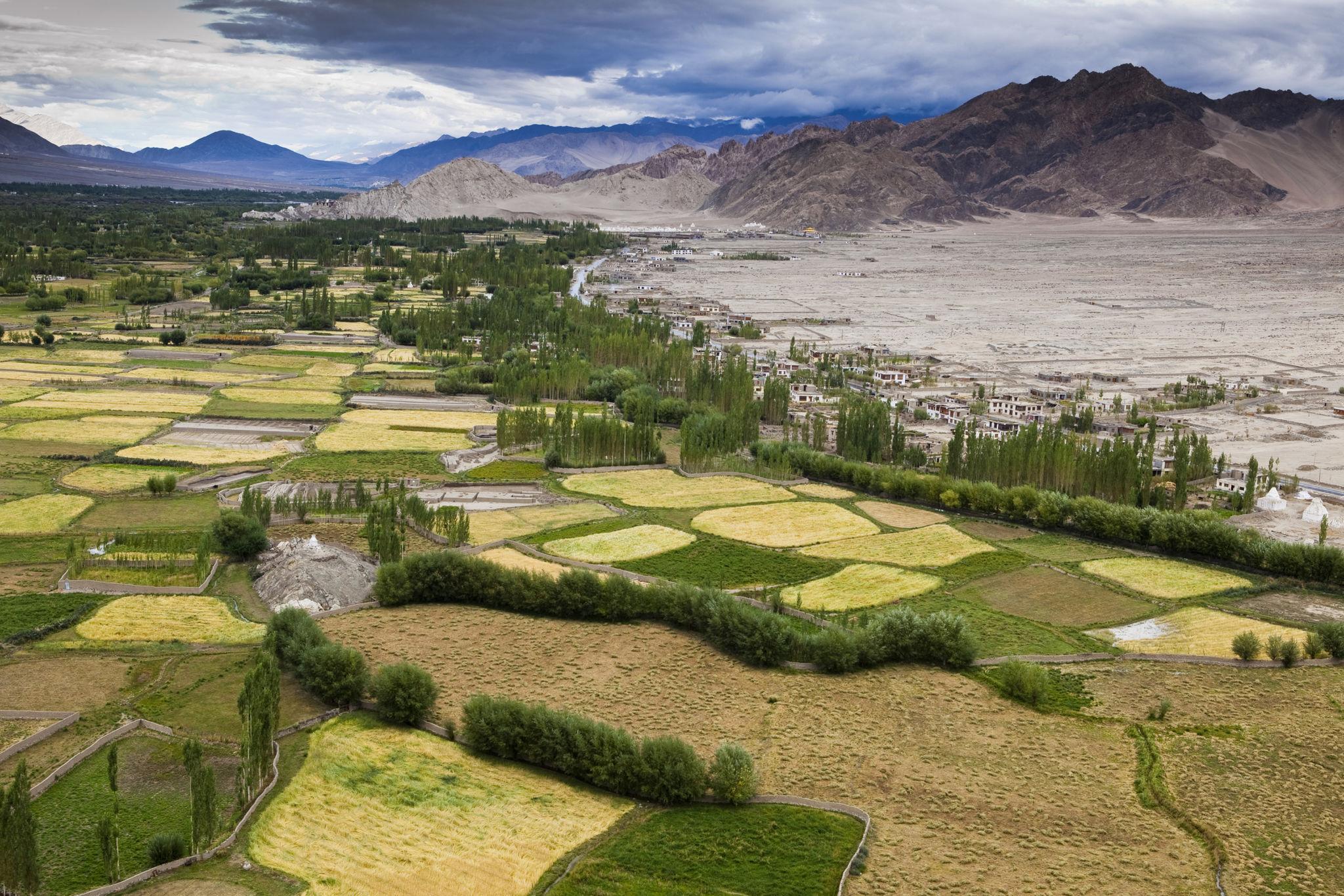
Understanding Ladakh before travelling through it
Every Whitecrane itinerary carries a layer of local understanding — monasteries, homes, wildlife, water, roads, silence and seasonal rhythms. These notes help travellers move through Ladakh with awareness, respect and a deeper sense of place.
Alchi and the old mural language
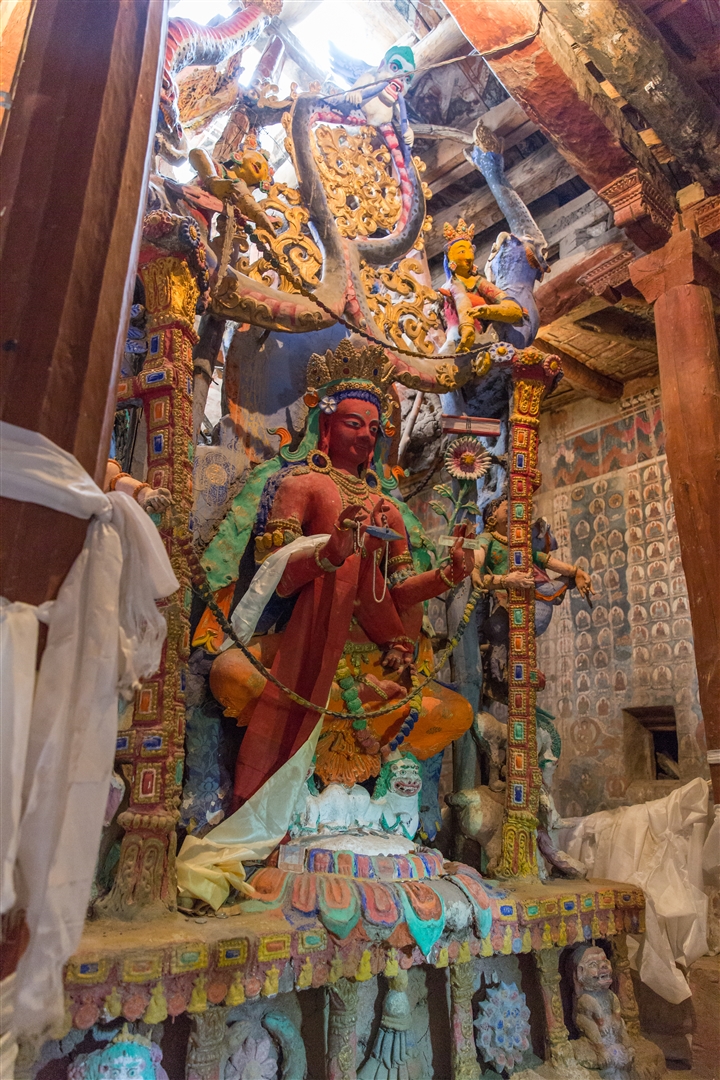
Alchi’s flat-ground monastery landscape carries rare early Himalayan art influences, making it ideal for travellers who want history beyond photo stops.
Best approached slowly: low doorways, timber ceilings, murals, old Kashmiri-influenced visual language and the Indus-side village context.
Lingshed: monastery as village anchor
Lingshed is not just a monastery stop; it is a service, memory and identity centre for surrounding villages.
The landscape shows how monastic institutions, outlying shrines, seasonal movement and village self-reliance are tied together.
Changpa pastoral movement
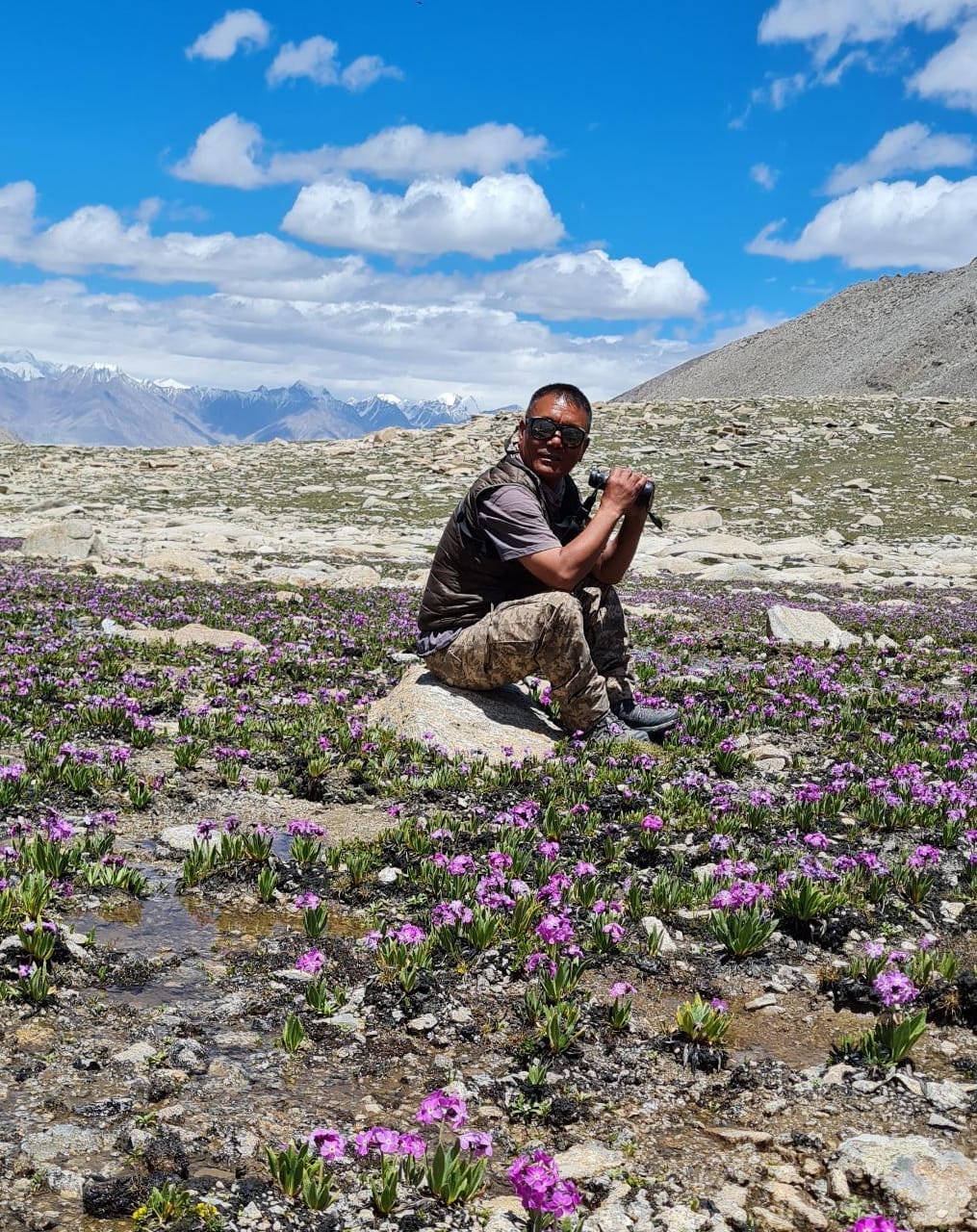
High-altitude pastoral life around Changthang is shaped by pasture, wind, water and livestock movement.
The important interpretation is seasonal movement, pasture pressures, pashmina goats, lake ecologies and tourism that avoids disturbing everyday livelihood rhythms.
Doksa summer settlements
Doksa settlements reveal the seasonal working landscape behind villages.
On treks around Kanji, Dibling, Markha and Kharnak, doksa sites show how livestock, summer grazing, cheese, butter and winter preparation link people to high pastures.
Food as altitude intelligence
Skyu, thukpa, chutagi, butter tea and roasted barley are practical responses to cold, altitude and stored food systems.
Food interpretation can be built into homestays and village walks: why barley matters, how butter tea works in cold climates and how produce changes with altitude and season.
Winter self-sufficiency in Zanskar
Remote villages prepare for isolation through fodder, storage, architecture and social systems.
This layer helps travellers understand why remote valleys need patience, seasonal awareness and a slower route instead of a rushed checklist.
The way we travel is part of the journey.
In Ladakh, responsibility is not a badge. It is the discipline of planning carefully, moving slower, using less, listening more, and knowing when a place should be entered — and when it should be left quiet.
We design journeys that feel considered before they feel comfortable.
The footprint of a private Ladakh journey is decided long before the guest arrives: how many valleys are packed into a week, whether the route doubles back unnecessarily, where water is consumed, how waste is carried, which guides and drivers are chosen, how wildlife is approached, and whether local places are treated as living spaces or as scenery. Whitecrane builds these questions into the itinerary itself — not as a lecture, but as a quieter, more respectful way to travel through the high Himalaya.
Travel at the pace of the mountains.
A well-held Ladakh journey gives altitude, roads and people room to breathe. We favour slower arrivals, longer pauses and routes that allow the landscape to unfold without pressure.
Smarter routes, lighter movement.
In a road-led Himalayan region, the way a journey is routed matters. We design intelligent loops, longer stays and purposeful transfers so movement feels efficient, elegant and lower-impact.
Care for mountain resources.
Good travel habits matter in the high Himalaya. Refill systems, mindful bathing, thoughtful heating, reduced plastic and careful waste handling are built into the way we prepare guests and choose stays.
The best sightings are undisturbed.
Wildlife is experienced with distance, patience and quiet observation. We do not shape journeys around chasing, baiting or spectacle; the habitat remains more important than the photograph.
Journeys should strengthen place.
Guides, drivers, hosts, cooks, artisans, growers and village food systems carry the journey. We build itineraries that keep more value connected to the people who make Ladakh meaningful.
Access with judgement.
A curated journey does not open everything. Some spaces are best approached slowly, some only with context, and some are better left undisturbed. Restraint is part of good travel design.