
Born in Ladakh. Built from the field.
Whitecrane Journeys is a Ladakh-based travel company shaped by guiding experience, village knowledge and a clear belief: the best journeys are not rushed through landscapes; they are read through people, routes, culture, wildlife and responsibility.
A company shaped by a life in the mountains.
Whitecrane is not a desk-born travel brand. Its way of working comes from years of walking routes, reading weather, staying with communities, guiding guests through fragile places and understanding where tourism helps — and where it can damage what it came to admire.
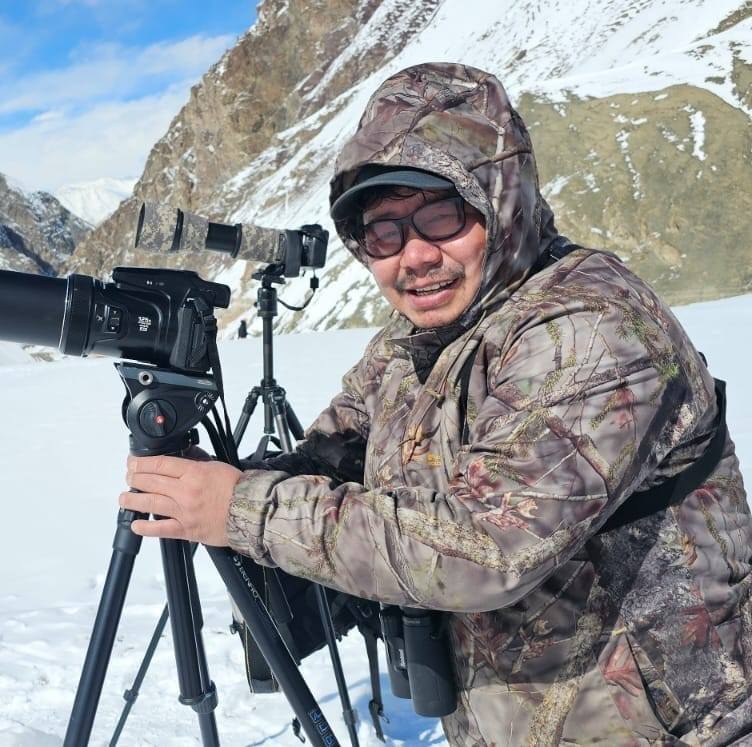
Tsewang Namgyal
Born in Tirith, Nubra Valley; raised close to farming, mountains and Ladakh’s traditional way of life.
Local knowledge, professional guiding and a long commitment to responsible travel.
Tsewang Namgyal was born and raised in a farming family in Tirith village, Nubra Valley. His early life gave him a direct relationship with Ladakh’s mountains, nature, farming rhythms and cultural environment.
After schooling at the Buddhist School in Bangalore and graduation from the University of Kashmir, he spent more than two decades in tourism, including over fifteen years as a trekking and cultural guide. This field experience became the foundation for Whitecrane Journeys, which he founded in 2014.
Today, Whitecrane brings together trekking, cultural journeys, wildlife tours, photography journeys and soft expeditions — with a strong focus on environmental care, community-based tourism and meaningful interpretation rather than hurried sightseeing.
Journeys that carry meaning, not just movement.
For Whitecrane, Ladakh is not a backdrop. It is a living region of villages, monasteries, grazing landscapes, rivers, wildlife habitats, festivals, food systems and difficult mountain routes. Travel here needs pace, humility and care.
Route before checklist.
We design journeys around acclimatization, road logic, valley transitions and how places connect — not just how many stops can fit in a day.
Context before camera.
Monasteries, village walks, food and festivals are interpreted with care so travellers understand what they are entering, not just what they are seeing.
Wildlife without pressure.
Wildlife viewing is built around distance, scan points, local trackers and habitat respect — never chasing animals for a closer photograph.
Local value should remain local.
We prioritise local guides, guesthouses, homestays, village services and locally sourced food so travel can support the people who hold the landscape.
From village roots to responsible mountain journeys.
The story is simple, but important: Whitecrane’s credibility comes from field time, not marketing language. The founder’s journey moved from village life to guiding, then from guiding into building a travel company with a clearer ethic.
Raised in a farming family, with early exposure to land, seasons, local culture and the realities of living in Ladakh.
Schooling in Bangalore and graduation from the University of Kashmir brought wider exposure while keeping Ladakh as the anchor.
More than fifteen years as a trekking and cultural guide shaped the company’s understanding of routes, guests, safety and interpretation.
Founded to offer eco-friendly, meaningful travel across trekking, culture, wildlife, photography and soft expedition formats.
Responsible travel is practical, not decorative.
In Ladakh, responsibility has to show up in daily operations: how water is handled on trek, where food is sourced, how waste is reduced, which stays are supported, how guests are briefed, and whether the journey respects local pace.
Journeys are planned with conscious waste reduction, refill thinking and field habits that avoid unnecessary single-use plastic.
Food is treated as part of the Ladakh experience and a way to support local producers and homestay economies.
Water systems are planned practically so trekking can reduce bottled-water dependence in fragile routes.
Guesthouses and homestays are not just accommodation; they are part of how tourism value reaches communities.
Choose the way you want to understand Ladakh.
Some guests come for long trekking routes, some for cultural depth, some for wildlife and winter landscapes, and some need a custom journey. The common thread is the same: thoughtful pace, local context and careful route design.
Trekking and soft expeditions.
For guests who want routes with altitude logic, field rhythm, village contact and real mountain preparation.
Context-rich cultural travel.
Monasteries, festivals, foodways, village systems and route memory interpreted with respect.
Landscapes that explain themselves.
Explore Ladakh through Nubra, Sham, Zanskar, Changthang, Markha and the Indus Valley.
Tell us how you want to travel. We will shape the route around Ladakh.
Use the custom builder if you want a journey that balances comfort, altitude, culture, wildlife, trekking, photography and responsible pace.