
Whitecrane journal.
Field notes, culture notes, travel tips and route-led ideas for understanding Ladakh with more patience, context and care.
Read by category or open a full guide.
Browse Whitecrane notes by type. Article cards open a separate article view with planning tools, article details, related journeys and next reading links.
Travel at the pace of the mountains.
A well-held Ladakh journey gives altitude, roads and people room to breathe. We favour slower arrivals, longer pauses and routes that allow the landscape to unfold without pressure.
Smarter routes, lighter movement.
In a road-led Himalayan region, the way a journey is routed matters. We design intelligent loops, longer stays and purposeful transfers so movement feels efficient, elegant and lower-impact.
Care for mountain resources.
Good travel habits matter in the high Himalaya. Refill systems, mindful bathing, thoughtful heating, reduced plastic and careful waste handling are built into the way we prepare guests and choose stays.
The best sightings are undisturbed.
Wildlife is experienced with distance, patience and quiet observation. We do not shape journeys around chasing, baiting or spectacle; the habitat remains more important than the photograph.
Journeys should strengthen place.
Guides, drivers, hosts, cooks, artisans, growers and village food systems carry the journey. We build itineraries that keep more value connected to the people who make Ladakh meaningful.
Access with judgement.
A curated journey does not open everything. Some spaces are best approached slowly, some only with context, and some are better left undisturbed. Restraint is part of good travel design.
How to enter a monastery without reducing it to a stop.
Monasteries in Ladakh are living institutions. A good visit begins before the doorway: with timing, silence, photography discipline and respect for prayer spaces.
Why Ladakh’s old villages are more than scenery.
Old villages hold irrigation, architecture, food storage, family memory and route history. A village walk becomes richer when the guest learns how to read these details.
Food in Ladakh is altitude intelligence.
Skyu, thukpa, chutagi, butter tea and roasted barley are practical responses to cold, altitude, storage and household hospitality.
Monastery festivals are not shows arranged for visitors.
Cham dances, monastery gatherings and sacred calendars must be approached as living ritual fields, not as performances fitted into tourist timing.
How to use your first day in Leh properly.
The first day in Leh should not be wasted, but it should be protected. Good acclimatization is the foundation of every Ladakh journey.
What to pack for Ladakh without overpacking.
Ladakh requires layers, sun protection, personal medication, refill habits and restraint. The best packing list is practical, not bulky.
Choosing the right season for Ladakh.
There is no single best season. Ladakh changes with roads, passes, festivals, wildlife, harvests, high lakes and winter silence.
Why a custom Ladakh route works better than a fixed checklist.
A thoughtful route should respond to guest readiness, interests, altitude, season and road condition, not only to famous names on a list.
Trip info for international travellers coming to India and Ladakh.
A practical pre-arrival guide for foreign guests: time zones, money, hotels, equipment, trekking crew, food, visa preparation and photography etiquette before travelling to India and Ladakh.
Leh and the Upper Indus: the right first layer.
Old Leh, Shey, Thiksey, Hemis and nearby villages are not filler days. They are the ideal cultural and altitude introduction to Ladakh.
Nubra beyond the dunes.
Nubra is not only sand dunes and camels. It carries monastery life, caravan memory, apricot villages, Shyok routes and cultural transition toward Baltistan.
Sham Valley and Lamayuru as a slow culture route.
The Lower Indus offers old mural traditions, apricot villages, moonland geology, gentle walks and a strong pre-trek cultural rhythm.
Planning Zanskar and Lingshed with flexibility.
Zanskar rewards patience. Roads, weather, passes and village rhythms must shape the journey more than a fixed schedule.
How to stay in a Ladakhi homestay with respect.
A homestay is not a hotel pretending to be a home. It is a household space where hospitality, privacy and everyday rhythm must be honoured.
Why local guides change the quality of a journey.
A good guide does more than manage logistics. They turn roads, monasteries, wildlife, villages and food into meaning.
Photography in Ladakh needs permission, patience and distance.
The best images come from trust, not intrusion. People, rituals, animals and sacred spaces should never be treated as props.
Travel at the pace of the mountains
A well-held Ladakh journey gives altitude, roads and people room to breathe. We favour slower arrivals, longer pauses and routes that allow the landscape to unfold without pressure.
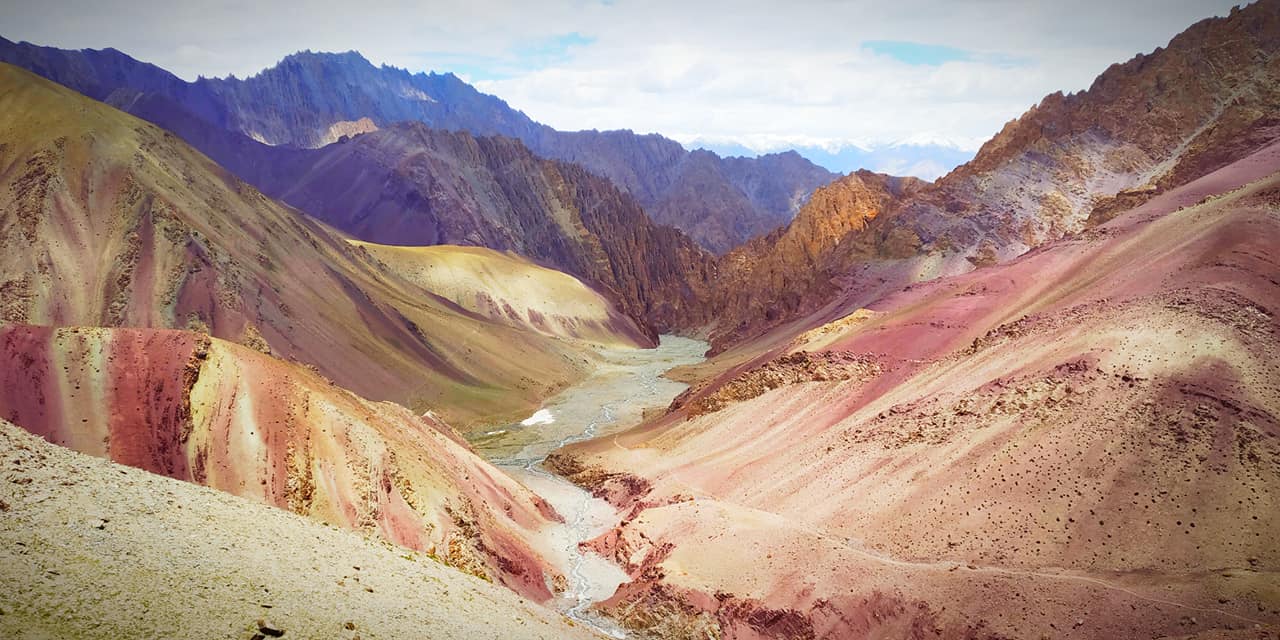
A Whitecrane field note on why Ladakh journeys should be paced around altitude, roads, villages and meaningful pauses rather than rushed sightseeing.
Key idea
High-altitude travel is not improved by covering more kilometres. In Ladakh, the route itself carries the experience: a valley opening slowly, a road pausing for weather, a village settling into evening and the body adjusting to height.
Whitecrane designs journeys with this rhythm in mind. We prefer meaningful stays, steady road days and routes that reduce unnecessary pressure on vehicles, drivers, guest energy and fragile halts. This way of travelling is not about doing less; it is about experiencing better.
Why it matters in Ladakh
Altitude changes how people experience time. A journey that is rushed on paper can become uncomfortable on the ground: headaches, fatigue, irritability, missed conversations and shallow visits. Slower pacing gives the body time to adjust and gives the place room to reveal itself.
The pace also affects host communities. A village that is treated as a quick stop receives less value, less attention and more disturbance. A slower stay allows local food, guide interpretation, homestay interaction and short walks to become part of the actual journey.
How we use it in route design
We avoid filling every day with too many named places. Instead, we build good arrival days, reflective pauses after high passes, well-spaced monastery visits and free time in villages. The route still feels rich, but it does not feel extracted from the landscape.
This approach is especially important in Nubra, Zanskar, Changthang and high trekking routes, where weather, road condition and guest readiness must remain part of the plan.
Turn this into a route conversation.
This note is meant to help you travel with better context. Share it with Whitecrane and we can shape the right season, route pace, stays and guide support around your interests.
Enquire for a custom journeySmarter routes, lighter movement
In a road-led Himalayan region, the way a journey is routed matters. We design intelligent loops, longer stays and purposeful transfers so movement feels efficient, elegant and lower-impact.
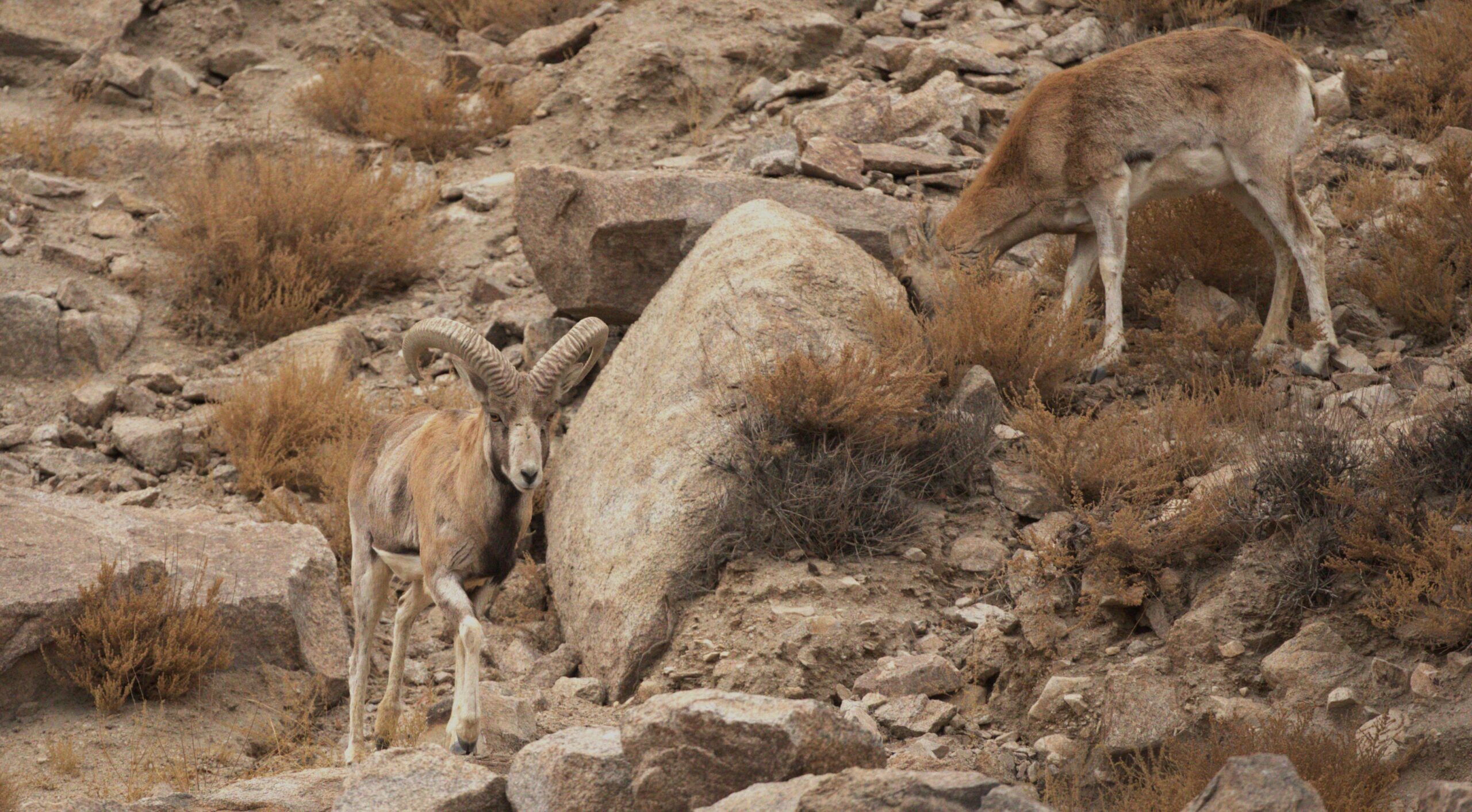
A Whitecrane field note on route design in Ladakh: smarter loops, fewer unnecessary kilometres and more meaningful stays.
Key idea
Sustainable travel in Ladakh begins with the route. Every road day has a cost, not only in fuel, but in time, fatigue, road pressure and the way travellers experience place.
Whitecrane favours intelligent loops over avoidable backtracking, longer stays over constant packing and unpacking, and grouped movements that make each transfer meaningful.
Why route logic matters
A route to Nubra, Zanskar or Changthang should not be created by simply connecting famous names on a map. Terrain, altitude, road condition, permits, season and guest readiness must all shape the sequence.
Good routing also improves the traveller’s experience. Fewer rushed transfers mean more energy for walking, listening, photographing responsibly and actually understanding the places being crossed.
How we apply it
We look for routes where the day has a clear purpose: acclimatization, landscape transition, cultural interpretation, wildlife habitat or arrival into a village world. When a transfer does not serve the journey, we question it.
The aim is not to remove comfort, but to make comfort smarter: fewer unnecessary kilometres, clearer logistics, deeper stays and a lighter way of moving through the mountains.
Turn this into a route conversation.
This note is meant to help you travel with better context. Share it with Whitecrane and we can shape the right season, route pace, stays and guide support around your interests.
Enquire for a custom journeyCare for mountain resources
Good travel habits matter in the high Himalaya. Refill systems, mindful bathing, thoughtful heating, reduced plastic and careful waste handling are built into the way we prepare guests and choose stays.
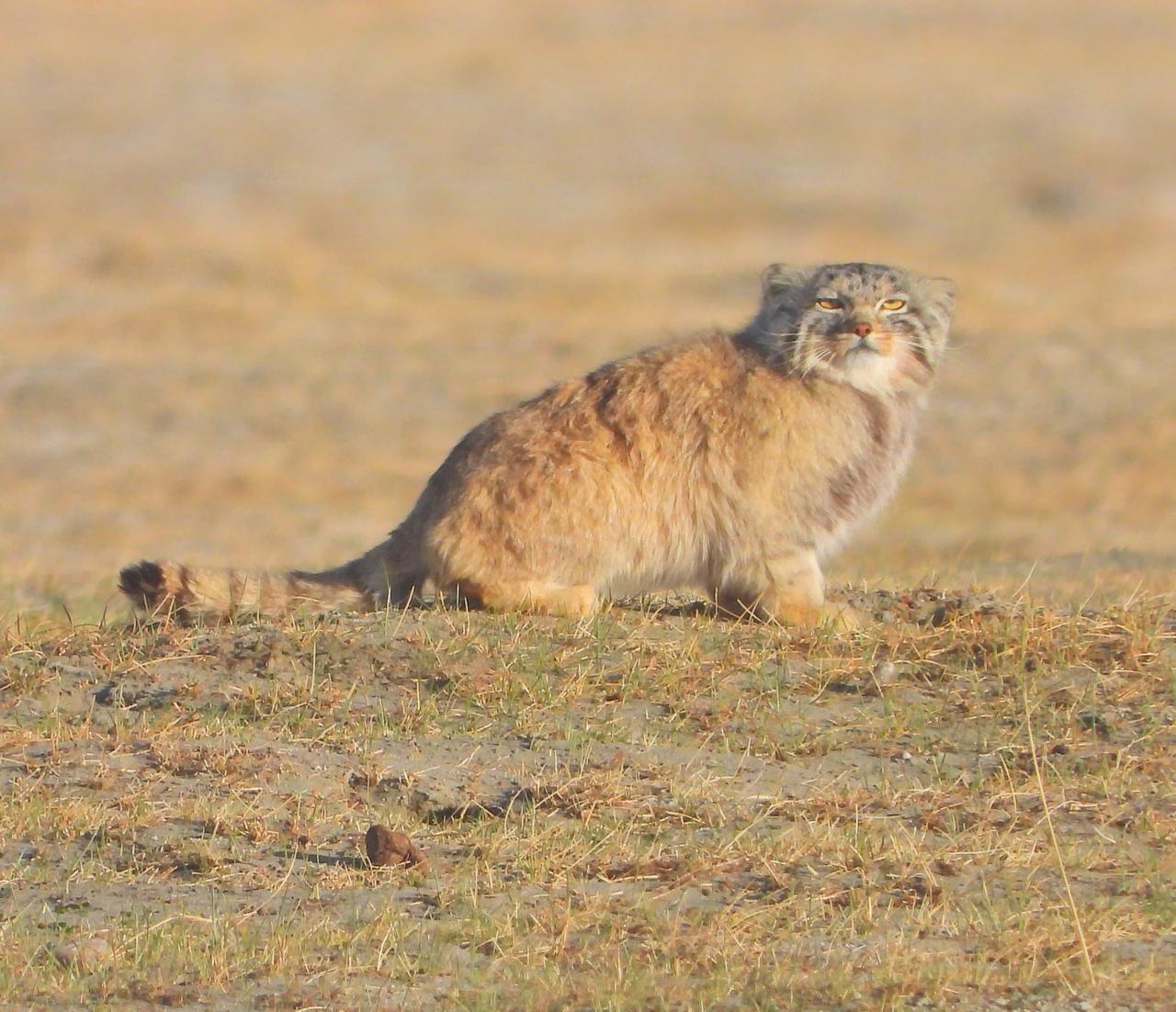
A Whitecrane field note on water, waste, refill habits and resource-aware travel in Ladakh.
Key idea
A refined journey through Ladakh should feel aware of the place it enters. Water, heating, waste and packaging are everyday details, but in mountain regions they shape the real footprint of travel.
Whitecrane prepares travellers for practical habits: carrying refill bottles, using water thoughtfully, avoiding unnecessary plastic, respecting stay-level waste practices and understanding that comfort can still be considerate.
Why small habits matter
In high-altitude desert regions, water is not an invisible resource. A long shower, disposable bottle habit or careless waste choice carries a larger meaning than it might in a city.
Waste also travels badly in remote mountain systems. Villages may have limited segregation, transport and disposal options, so the best waste strategy is often to reduce what enters the route in the first place.
How travellers can participate
Guests are briefed before the journey: refill where possible, avoid single-use packaging, keep batteries and non-biodegradable waste separate, and respect the house or camp system being followed.
This is not about making travel difficult; it is about making it more intelligent. When guests understand these small practices before they arrive, sustainability becomes part of the journey’s rhythm, not a lecture added at the end.
Turn this into a route conversation.
This note is meant to help you travel with better context. Share it with Whitecrane and we can shape the right season, route pace, stays and guide support around your interests.
Enquire for a custom journeyThe best sightings are undisturbed
Wildlife is experienced with distance, patience and quiet observation. We do not shape journeys around chasing, baiting or spectacle; the habitat remains more important than the photograph.
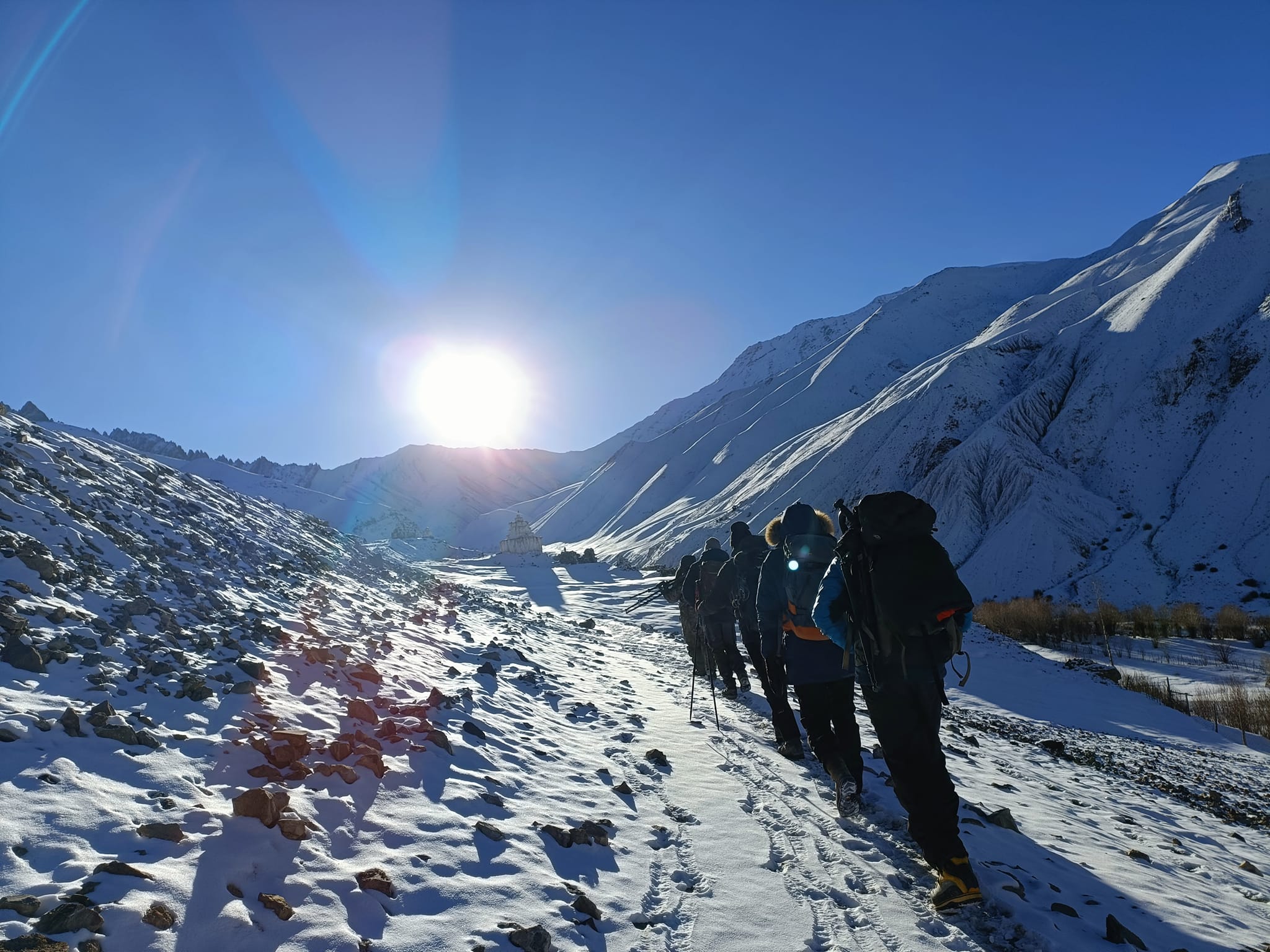
A Whitecrane field note on wildlife ethics in Ladakh: distance, patience, habitat respect and no-pressure sightings.
Key idea
Ladakh’s wildlife belongs first to its own habitat. Kiang moving across the plateau, birds near high-altitude wetlands, marmots by the roadside or the rare possibility of larger wildlife are not performances arranged for travellers.
Whitecrane treats wildlife encounters as moments of quiet observation, guided by distance, patience and respect for movement corridors, nesting areas and grazing landscapes.
What not to do
We do not encourage feeding, calling, chasing, baiting or pressure-based viewing. A closer photograph is not a better sighting if it changes the animal’s behaviour.
Vehicles should not follow kiang or blue sheep across open terrain. Marmots should not be fed. Trackers should not be pressured into promising sightings. The experience must remain honest.
What makes it meaningful
A meaningful wildlife experience teaches guests to read habitat: ridgelines, scan points, prey movement, wind direction, tracks and the relationship between wild animals and village livestock.
This approach also helps guests understand that Ladakh’s wilderness is not empty space. It is a living ecology where silence, distance and timing matter deeply.
Turn this into a route conversation.
This note is meant to help you travel with better context. Share it with Whitecrane and we can shape the right season, route pace, stays and guide support around your interests.
Enquire for a custom journeyJourneys should strengthen place
Guides, drivers, hosts, cooks, artisans, growers and village food systems carry the journey. We build itineraries that keep more value connected to the people who make Ladakh meaningful.
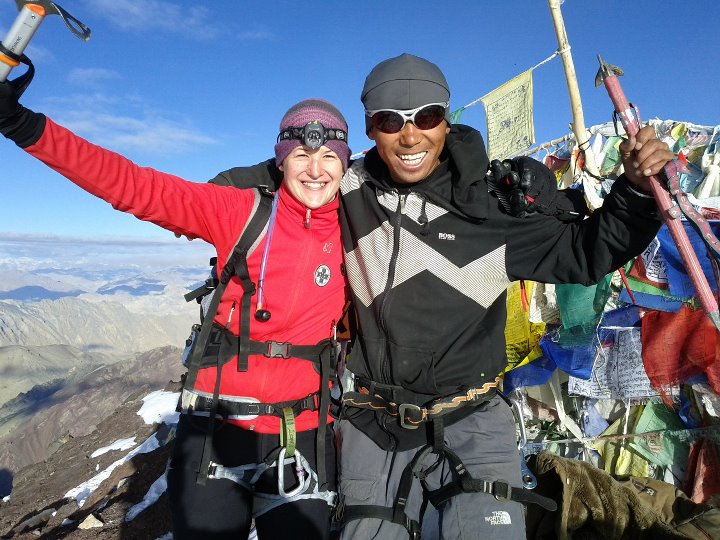
A Whitecrane field note on local value in Ladakh travel: guides, hosts, drivers, food systems and village-linked tourism.
Key idea
A journey through Ladakh is shaped by people long before the traveller arrives: the driver who knows the road, the guide who carries local context, the host who opens a home, the cook who brings regional food to the table, the artisan preserving a craft, the farmer or herder connected to a seasonal rhythm.
Whitecrane sees local value as part of the journey’s design, not as a token gesture.
What local value looks like
Local value is not only about where money is spent. It is also about dignity, interpretation, continuity and fair recognition of knowledge. A good guide does not simply lead; they translate landscape, culture and timing into meaning.
Homestays and locally rooted guesthouses can help money remain closer to the places being visited, but they must be matched with quality, preparation and respectful guest behaviour.
How we design for it
Where possible, we work with local knowledge, regional food systems, trained guides and experiences that respect the dignity of hosts. We avoid treating villages as backdrops or families as props.
Premium travel does not need to be extractive. At its best, it can create thoughtful exchange, better appreciation and fairer value flow while giving travellers a more intimate understanding of the place they have entered.
Turn this into a route conversation.
This note is meant to help you travel with better context. Share it with Whitecrane and we can shape the right season, route pace, stays and guide support around your interests.
Enquire for a custom journeyAccess with judgement
A curated journey does not open everything. Some spaces are best approached slowly, some only with context, and some are better left undisturbed. Restraint is part of good travel design.
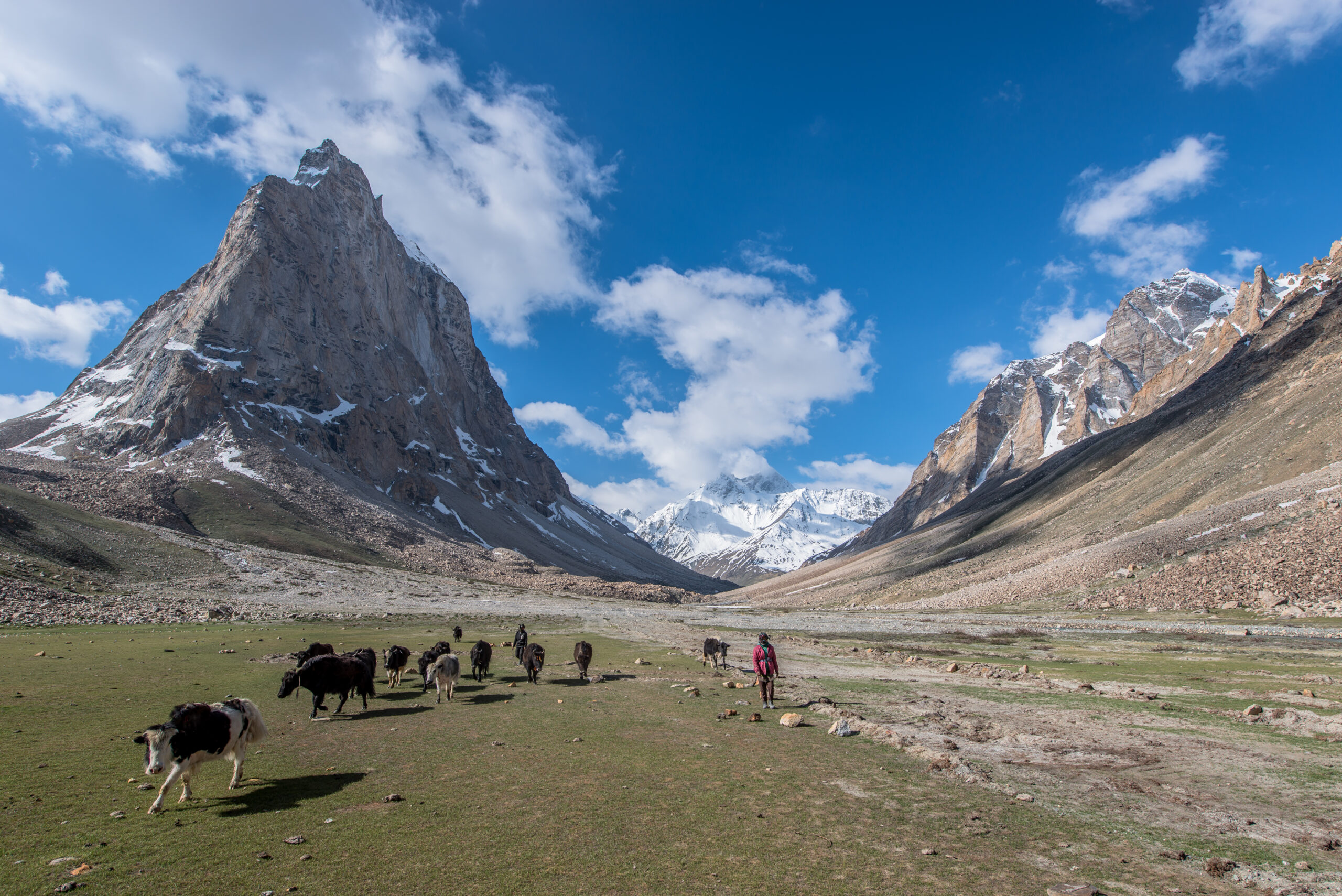
A Whitecrane field note on restraint in Ladakh travel: when to enter, when to wait and when to leave spaces undisturbed.
Key idea
Responsible curation is not about adding more to the itinerary. It is about knowing what belongs, what needs context and what should remain outside the traveller’s path.
In Ladakh, a monastery courtyard, a family kitchen, a pastoral camp, a winter route, a sacred landscape or a fragile wetland may each require a different kind of attention.
Where restraint matters
Some spaces are technically accessible but not appropriate for casual entry. A festival may be open, yet still sacred. A homestay kitchen may be warm and welcoming, yet still private. A wildlife habitat may be visible from the road, yet still vulnerable to disturbance.
Good travel design respects these differences. It does not treat access as an entitlement.
How we practise it
Whitecrane approaches access with judgement: timing visits carefully, preparing guests beforehand, working through local guidance and choosing not to include spaces where presence would feel intrusive.
This restraint is what keeps a journey from becoming consumption. It allows culture, ecology and everyday life to retain their dignity, while giving travellers a more honest and thoughtful experience of the high Himalaya.
Turn this into a route conversation.
This note is meant to help you travel with better context. Share it with Whitecrane and we can shape the right season, route pace, stays and guide support around your interests.
Enquire for a custom journeyHow to enter a monastery without reducing it to a stop
Monasteries in Ladakh are living institutions. A good visit begins before the doorway: with timing, silence, photography discipline and respect for prayer spaces.
A practical Whitecrane culture note on monastery etiquette in Ladakh: silence, dress, photography, donations and how to visit respectfully.
Why this matters
A monastery in Ladakh is not only an architectural site. It is a place of prayer, learning, memory, ritual and community continuity. Visitors may arrive for murals, views or photography, but local people arrive with very different intentions.
This difference is important. A respectful visit does not remove the traveller’s curiosity; it gives that curiosity better behaviour.
Before entering
Dress modestly, keep shoulders and knees covered, remove hats where required and follow the path indicated by the monastery or guide. Shoes, photography and entry rules can change from room to room, so guests should avoid assumptions.
The best guide will brief travellers before the visit, not after a mistake has already happened. A few minutes of orientation can protect the dignity of the space and make the visit more meaningful.
Inside the monastery
Speak softly, do not touch murals, statues, texts, instruments or ritual objects, and never use flash indoors. If prayer is taking place, stand aside and allow local devotees to move naturally.
Donations should be made humbly and without performance. The aim is not to buy access, but to support a living institution that continues to maintain spaces of learning and practice.
Turn this into a route conversation.
This note is meant to help you travel with better context. Share it with Whitecrane and we can shape the right season, route pace, stays and guide support around your interests.
Enquire for a custom journeyWhy Ladakh’s old villages are more than scenery
Old villages hold irrigation, architecture, food storage, family memory and route history. A village walk becomes richer when the guest learns how to read these details.
Understand old Ladakhi villages through architecture, irrigation, food storage, settlement patterns and route memory.
A village is a system
A Ladakhi village is not just a cluster of houses below dramatic mountains. It is a working system of water channels, fields, animal shelters, storage spaces, family courtyards, prayer walls, seasonal paths and social relationships.
When guests learn to read these elements, a short walk becomes an interpretation of survival, design and community.
What to notice
Notice where houses are placed in relation to sun, wind and fields. Look at rooftops, fodder stacks, kitchen gardens, apricot trees, prayer flags and pathways to the gompa or fields. These details show how the village organizes daily life.
Irrigation channels are especially important. In a cold desert, water movement is community infrastructure. It shapes farming, conflict resolution, cooperation and the rhythm of the agricultural year.
How to visit respectfully
A village is not an open museum. Guests should avoid entering courtyards, kitchens or storage areas without permission, and should not photograph people, animals or private spaces casually.
A good village walk is guided, slow and conversational. It uses observation, not intrusion, to help visitors understand how people live with altitude, water, winter and change.
Turn this into a route conversation.
This note is meant to help you travel with better context. Share it with Whitecrane and we can shape the right season, route pace, stays and guide support around your interests.
Enquire for a custom journeyFood in Ladakh is altitude intelligence
Skyu, thukpa, chutagi, butter tea and roasted barley are practical responses to cold, altitude, storage and household hospitality.
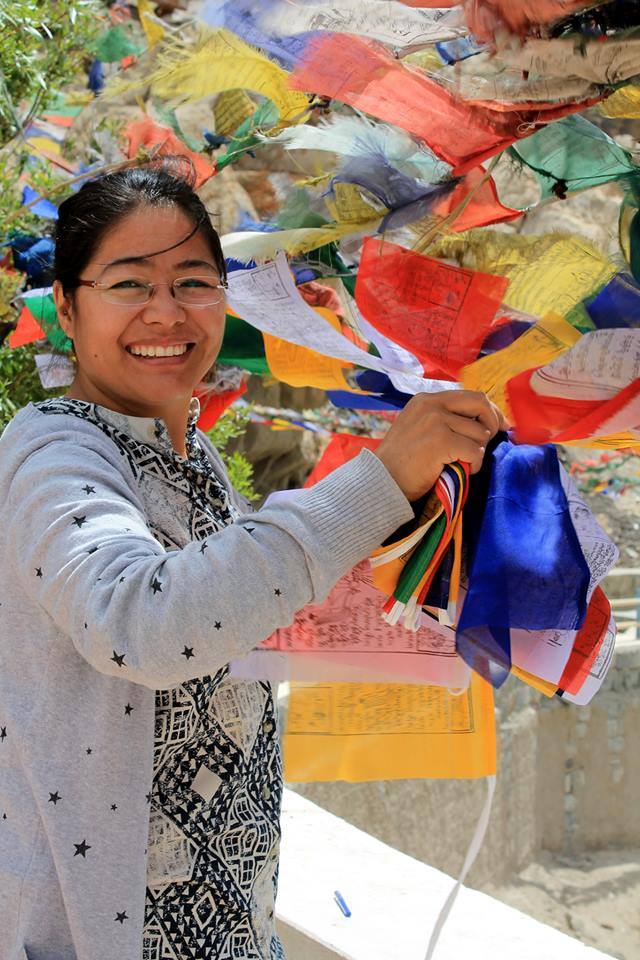
A Whitecrane journal note on Ladakhi food systems: barley, butter tea, soups, dumplings, storage and altitude-wise hospitality.
More than cuisine
Food in Ladakh should not be interpreted only as taste. It is a practical mountain knowledge system shaped by cold, altitude, short growing seasons, stored grains, animal products, fuel realities and household hospitality.
A meal can explain the landscape if the guide or host frames it properly.
Why barley matters
Barley is one of Ladakh’s most important survival grains. It grows in difficult conditions, stores well and can be used in roasted flour, soups, breads and everyday household food.
When a guest understands barley, they understand more than one ingredient. They begin to see farming, winter preparation, monastery life, herding routes and household resilience together.
Hospitality with context
Butter tea, thukpa, skyu and chutagi make sense in cold, dry environments. They are warm, filling, adaptable and based on what households can store or grow.
The best food experience is not a city-style menu imported into a village. It is a respectful meal where the traveller understands what the family grows, stores, prepares and shares.
Turn this into a route conversation.
This note is meant to help you travel with better context. Share it with Whitecrane and we can shape the right season, route pace, stays and guide support around your interests.
Enquire for a custom journeyMonastery festivals are not shows arranged for visitors
Cham dances, monastery gatherings and sacred calendars must be approached as living ritual fields, not as performances fitted into tourist timing.
A Whitecrane culture note on Cham, monastery festivals and respectful festival travel in Ladakh.
The first rule
A festival is not a stage. The courtyard is a ritual field, monks are not ordinary performers and local devotees are not a background crowd for photographs.
Guests need to arrive with humility. They are witnessing something that exists for the community and monastery first.
How to prepare guests
A good festival journey includes briefing before arrival: where to sit, when to remain silent, whether photography is allowed, how donations work and why movement during rituals should be minimized.
Festival dates follow local and lunar calendars. Timing may shift, rituals may run late and some moments may not be available for visitors. This is part of the reality, not a flaw in the itinerary.
A better way to witness
The best viewing is quiet, patient and guided. Guests should avoid flash, aggressive lenses, standing in front of devotees or pushing for a closer angle.
When approached correctly, festivals can open a deep understanding of Ladakh’s spiritual calendar, monastery networks and community gathering culture.
Turn this into a route conversation.
This note is meant to help you travel with better context. Share it with Whitecrane and we can shape the right season, route pace, stays and guide support around your interests.
Enquire for a custom journeyHow to use your first day in Leh properly
The first day in Leh should not be wasted, but it should be protected. Good acclimatization is the foundation of every Ladakh journey.
Practical advice for the first day in Leh: acclimatization, hydration, pacing, light walks and why not to rush into high passes.
Protect the first day
The first day in Leh sets the tone for the rest of the journey. The body has arrived suddenly at altitude, and even experienced travellers can feel the impact of reduced oxygen.
A good first day is not empty. It is deliberately gentle: rest, water, light food, slow movement and a calm introduction to the town.
What to avoid
Avoid driving immediately to very high passes, packing the day with monastery visits or walking steeply before the body has settled. A rushed first day can affect the next several days of the journey.
Alcohol, dehydration, heavy meals and overexcitement can all make acclimatization harder. The goal is to arrive with patience.
What works better
A short orientation walk, a quiet viewpoint, early dinner and proper sleep are more useful than ticking off places. The next day can then begin with better energy and awareness.
For longer routes into Nubra, Zanskar, Changthang or trekking landscapes, this first day is not optional softness. It is operational discipline.
Turn this into a route conversation.
This note is meant to help you travel with better context. Share it with Whitecrane and we can shape the right season, route pace, stays and guide support around your interests.
Enquire for a custom journeyWhat to pack for Ladakh without overpacking
Ladakh requires layers, sun protection, personal medication, refill habits and restraint. The best packing list is practical, not bulky.
A practical Ladakh packing guide covering layers, sun protection, refill bottles, medicines, trekking essentials and what not to overpack.
Think in layers
Ladakh can feel warm in the sun and cold in shade within the same hour. Packing should be based on layers: base layer, warm mid-layer, wind protection and a light down or insulated jacket for evenings.
For treks and winter routes, the requirements become more serious, but the principle remains the same: functional layering is better than heavy, random clothing.
Essentials that matter
Sun protection is non-negotiable: sunglasses, sunscreen, lip balm and a cap or hat. A refill bottle, personal medicines, basic altitude advice from a doctor, comfortable walking shoes and a small daypack are equally important.
For monastery and village visits, modest clothing helps travellers enter spaces respectfully. Scarves, full-length trousers and sleeves are more useful than many people expect.
What not to overpack
Avoid carrying too many single-use items, large plastic bottles, unnecessary snacks and clothing that cannot be layered. Overpacking makes transfers harder and often creates more waste.
The best luggage is simple, compact and suited to movement across different altitudes, road conditions and accommodation types.
Turn this into a route conversation.
This note is meant to help you travel with better context. Share it with Whitecrane and we can shape the right season, route pace, stays and guide support around your interests.
Enquire for a custom journeyChoosing the right season for Ladakh
There is no single best season. Ladakh changes with roads, passes, festivals, wildlife, harvests, high lakes and winter silence.
How to choose the best season for Ladakh depending on road access, trekking, festivals, wildlife, village stays and photography.
No single answer
The best season for Ladakh depends on what the traveller wants to understand. A summer trek, a monastery festival, a wildlife winter journey and a slow village stay all require different timing.
The mistake is to ask only when Ladakh is most comfortable. The better question is: what kind of Ladakh do you want to meet?
Summer and shoulder seasons
June to September is the broadest window for high routes, trekking, Changthang, Zanskar movement and village activity. It is also the busiest period, so pacing and route design matter.
April, May, late September and October can be excellent for culture, photography, quieter monastery visits and lower crowd pressure, but access must be checked carefully.
Winter and specialist travel
Winter is not for casual travel, but it can be powerful for wildlife, frozen landscapes, cultural depth and serious photographers. It requires specialist planning, warm stays, flexible routing and a realistic understanding of cold.
Season choice should therefore be part of the journey design, not a generic recommendation.
Turn this into a route conversation.
This note is meant to help you travel with better context. Share it with Whitecrane and we can shape the right season, route pace, stays and guide support around your interests.
Enquire for a custom journeyWhy a custom Ladakh route works better than a fixed checklist
A thoughtful route should respond to guest readiness, interests, altitude, season and road condition, not only to famous names on a list.
Why custom Ladakh itineraries are better for altitude, road conditions, culture, wildlife, festivals and responsible route planning.
The checklist problem
Many Ladakh itineraries are built as lists of famous places: Leh, Nubra, Pangong, monasteries, passes and quick photo stops. This can work for basic sightseeing, but it often misses the real character of the region.
A checklist route may ignore altitude, travel fatigue, local timing, village depth, route logic and guest interests.
What custom planning does differently
A custom route begins with the traveller: fitness, comfort level, photography interest, culture interest, wildlife patience, walking ability, food preference and available days.
Then it reads the region: road condition, pass access, festival dates, village stays, altitude sequence, weather patterns and the level of remoteness that is appropriate.
The result
A good custom journey may include fewer places but better experiences. It may spend more time in one valley, add a guide-led village walk, include a lesser-known monastery or remove a high-stress transfer.
The route becomes a design, not a package. That is where Whitecrane’s approach becomes most useful.
Turn this into a route conversation.
This note is meant to help you travel with better context. Share it with Whitecrane and we can shape the right season, route pace, stays and guide support around your interests.
Enquire for a custom journeyTrip info for international travellers coming to India and Ladakh
A practical pre-arrival guide for foreign guests: time zones, money, hotels, equipment, trekking crew, food, visa preparation and photography etiquette before travelling to India and Ladakh.
A detailed Whitecrane trip information guide for international travellers coming to India and Ladakh, covering time zones, money, hotels, equipment, trekking crew, food, visa and photography.
How to use this guide
This note is written for international travellers preparing to come to India, especially those continuing into Ladakh for cultural journeys, trekking routes, wildlife experiences or high-altitude road travel. It is not a replacement for official visa, airline, insurance or medical advice, but it helps guests arrive with realistic expectations.
India can feel intense on arrival: time difference, airport movement, currency exchange, hotel check-ins, domestic flight timing and altitude all come together quickly. A smoother Ladakh journey begins before the flight: documents ready, money prepared, packing sensible, and expectations aligned with mountain realities.
TIME ZONES
India follows Indian Standard Time, usually written as IST. The time zone is UTC +5:30 and it remains the same across the country, including Delhi, Mumbai, Leh, Ladakh and Zanskar. India does not use daylight saving time, so the time difference from Europe, the UK, North America and Australia changes only when those countries change their own clocks.
For international guests, this matters most on arrival and departure days. Many flights into Leh leave Delhi early in the morning, so arriving in Delhi late at night and connecting directly can be tiring. Where possible, keep one comfortable buffer night in Delhi before flying to Leh, especially if the Ladakh route includes trekking, high passes or remote areas.
Jet lag and altitude should be treated together. A traveller who is already sleep-deprived will usually feel altitude more strongly. The first day in Leh should remain slow: no hard sightseeing, no alcohol, no heavy exertion and no pressure to “use the day” just because the flight arrived early.
MONEY MATTERS
India uses the Indian Rupee, written as INR or ₹. In large cities, cards and digital payments are common in hotels, restaurants and larger stores. In Ladakh, cards work in many hotels and shops in Leh, but cash remains important for small purchases, village payments, tips, tea stops, local markets, monasteries, porter support and remote routes.
Carry a practical mix: one main international card, one backup card and enough Indian cash for the first few days. ATMs are available in Leh and some larger towns, but they should not be treated as guaranteed in villages, high routes, remote Zanskar, Changthang or trekking sections. Network failure, cash shortage and power cuts can happen.
Do not carry large amounts of cash unnecessarily. Exchange money through authorised counters and keep receipts where possible. At airports, exchange counters are convenient but may not always offer the best rate; however, they are useful for arrival cash. Small denominations are very helpful in Ladakh because small shops and village hosts may not have change for large notes.
Travellers carrying significant foreign currency should check Indian customs rules before departure. As a practical rule, foreign currency notes above USD 5,000 or total foreign exchange including travellers’ cheques above USD 10,000 usually requires declaration on arrival. Rules can change, so travellers should verify the latest official guidance before flying.
HOTELS & ACCOMMODATION
Accommodation in India ranges from large city hotels to boutique stays, guesthouses, homestays, fixed camps and trekking camps. For Ladakh, it is important to understand that comfort is strongly shaped by altitude, water, season, road access and electricity. A good mountain stay should be judged by reliability, warmth, hygiene, food quality and responsible operations, not only by city-style luxury language.
In Leh, guests can expect better access to hotels, restaurants, Wi-Fi, hot water and laundry than in remote regions. In Nubra, Sham, Zanskar, Changthang and village belts, accommodation may be simpler. Hot water may be available at fixed hours. Heating may be limited or seasonal. Wi-Fi can be slow. Power cuts can happen. These should be explained before the journey, not treated as surprises on arrival.
Homestays should be approached as household spaces, not hotels pretending to be homes. Guests should respect family routines, privacy, meal timings and water limitations. In high-altitude camps or trekking routes, rooms are replaced by tents, shared dining spaces, simple wash arrangements and a more disciplined daily rhythm.
International guests should always share rooming preferences early: single room, twin room, double bed, dietary needs, allergies and any mobility concerns. If a Delhi transit hotel is required, it should be confirmed with airport transfer details, especially for late-night or early-morning arrivals.
EQUIPMENT
Packing for India and Ladakh should be practical, layered and route-specific. Delhi and the plains can be warm, while Leh mornings and evenings can be cold even in summer. On trekking routes and high passes, wind, sun and sudden temperature drops matter more than the season printed on the itinerary.
A sensible base list includes layered clothing, thermal innerwear for colder routes, fleece or light down jacket, windproof outer layer, sun hat, warm cap, gloves, sunglasses with good UV protection, sunscreen, lip balm, personal medication, refillable water bottle, headlamp, power bank and a small daypack. For treks, broken-in trekking shoes are more important than new expensive shoes.
Use a soft duffel or flexible bag for trekking and road journeys rather than a hard suitcase, unless the route is purely hotel-based. Keep one daypack for camera, water, medicines, warm layer, passport copies, cash and essentials. On remote trips, never pack all medicines or documents in checked luggage only.
Specialist gear depends on the journey. Winter wildlife, high treks, camping routes and photography journeys need different preparation. Whitecrane should send a final route-specific equipment list before departure, including baggage weight guidance and any gear provided locally.
TREKKING CREW
A Ladakh trek is supported by people, not only by equipment. Depending on the route, the crew may include a lead guide, assistant guide, cook, kitchen helper, pony men or horsemen, drivers and local support teams. Their work creates the safety and comfort behind the journey: route judgement, camp setup, meals, load movement, water management and daily coordination.
Guests should understand the crew rhythm. Mornings may begin early because tents, kitchen systems and animals must move before the group. Baggage limits are not arbitrary; they protect animals, crew workload and logistics. A guest who packs too heavily creates pressure across the whole route.
The guide’s safety decision should be respected. Weather, water crossings, altitude symptoms, animal movement and road conditions may require route changes. In remote Ladakh and Zanskar, flexibility is part of professionalism, not a weakness in planning.
Tipping is usually discretionary and best handled as a pooled contribution at the end of the trek or journey, rather than scattered small payments every day. The amount depends on route length, group size and service quality. Guests should ask for guidance before the journey so the process remains respectful and transparent.
FOOD
Food in India changes dramatically by region. In the plains, meals may include a wide range of spices, breads, rice dishes, lentils, vegetables, meat and street food. In Ladakh, food is shaped by altitude, cold, stored grains, soups, tea, barley, rice, vegetables, dairy and household hospitality. Guests should arrive curious but careful.
Before flying to Leh or starting a trek, avoid risky eating. Heavy meals, unmanaged street food, excess alcohol and dehydration can spoil the first altitude days. It is better to eat simply before travel days and allow the body to adjust gradually.
On Ladakh journeys, meals may include thukpa, skyu, chutagi, momos, rice, dal, vegetables, eggs, soup, noodles, local breads, butter tea, herbal teas and simple trekking food. On longer camping routes, the food is designed to be warm, filling and practical rather than restaurant-style. The best trekking meals are those that support energy, hydration and recovery.
Vegetarian food is widely manageable in India and Ladakh. Vegan, gluten-free, nut-free or very specific diets need early communication because remote routes cannot always source specialised products. Guests with serious allergies should carry emergency medication and written allergy notes.
VISA
Most international travellers need a valid visa or e-Visa before travelling to India, unless they fall under a specific exempt category. Travellers should use only official Government of India visa channels and avoid unofficial websites that promise faster or guaranteed approvals. Visa rules, eligible nationalities, fees and stay periods can change, so this should be checked before booking flights.
For e-Visa travel, guests should apply with the same passport they will carry, check that the passport has sufficient validity and blank pages, and keep a printed and digital copy of the Electronic Travel Authorization. The name, passport number, date of birth and nationality must match the passport exactly.
Foreign travellers should also be aware of India’s digital arrival formalities. Current guidance requires foreign nationals and OCI card holders to complete an e-Arrival Card online within the allowed pre-arrival window. Travellers should verify the latest official process before flying and keep confirmation accessible at immigration.
Whitecrane can support guests by providing itinerary details, hotel information and local contact references, but the traveller remains responsible for obtaining the correct visa, meeting entry conditions, carrying valid insurance and complying with immigration rules.
PHOTOGRAPHY
Ladakh is visually powerful, but photography needs restraint. Landscapes, monasteries, festivals, homestays, pastoral camps and wildlife habitats all require different behaviour. The best images come from patience and permission, not intrusion.
Always ask before photographing people, kitchens, private homes, children, monks at close range or working pastoral families. Inside monasteries and temples, photography may be restricted or prohibited. Flash should not be used in sacred spaces or near old murals. Festival courtyards are ritual spaces, not performance stages arranged for cameras.
Avoid photographing military areas, bridges, checkpoints, sensitive border infrastructure or anything where signage or local guidance restricts photography. Drone use is not casual in India and Ladakh; it can require permissions and may be prohibited in sensitive areas. Guests should not assume that owning a drone means it can be flown.
For wildlife, distance is part of the ethic. Do not chase animals, feed marmots, pressure trackers, push vehicles closer to kiang or disturb blue sheep, birds or snow leopard habitat for a better frame. A photograph is successful only if the subject remains undisturbed.
Final preparation checklist
Before departure, international guests should confirm passport validity, visa or e-Visa approval, e-Arrival Card requirement, travel insurance, emergency contacts, flight buffers, cash and card readiness, medication, altitude plan, packing list and final route notes.
The best preparation is not over-planning every moment. It is arriving with the essentials handled so the journey can remain open to place, weather, people and the slower rhythm of the Himalaya.
Turn this into a route conversation.
This note is meant to help you travel with better context. Share it with Whitecrane and we can shape the right season, route pace, stays and guide support around your interests.
Enquire for a custom journeyLeh and the Upper Indus: the right first layer
Old Leh, Shey, Thiksey, Hemis and nearby villages are not filler days. They are the ideal cultural and altitude introduction to Ladakh.
A route guide to Leh and the Upper Indus Valley: acclimatization, old town walks, Shey, Thiksey, Hemis and early cultural interpretation.
Why begin here
Leh and the Upper Indus Valley are often treated as the first two days before the ‘real’ journey begins. That is a missed opportunity. This belt introduces altitude, old trade memory, monastery culture, palace landscapes and the first rhythm of Ladakh.
It is also the safest place to begin because it allows acclimatization without losing cultural depth.
What to include
Old Leh, the bazaar, Leh Palace, Tsemo and Shanti Stupa create a gentle orientation to the town. Shey, Thiksey and Hemis introduce the monastery belt without forcing guests into high-altitude strain too soon.
The route can also include short village or viewpoint walks depending on guest readiness. The key is to keep movement light and interpretation strong.
How to pace it
Do not overload the first day. Use the second day for a half-day monastery arc or a carefully guided cultural loop. Keep the evenings quiet and allow the body to settle.
When done well, Leh and the Upper Indus become the intellectual and physical foundation for Nubra, Zanskar, Changthang or trekking routes.
Turn this into a route conversation.
This note is meant to help you travel with better context. Share it with Whitecrane and we can shape the right season, route pace, stays and guide support around your interests.
Enquire for a custom journeyNubra beyond the dunes
Nubra is not only sand dunes and camels. It carries monastery life, caravan memory, apricot villages, Shyok routes and cultural transition toward Baltistan.
A deeper route guide to Nubra Valley covering Diskit, Hunder, Turtuk, Panamik, Shyok villages, caravan memory and cultural travel.
The common mistake
Nubra is often reduced to Khardung La, Diskit, Hunder dunes and a camel photo. These are recognizable, but they do not explain the valley.
A richer route reads Nubra as a layered landscape: old trade movement, monastery networks, river valleys, apricot villages, Balti cultural memory and remote side valleys.
How to read Nubra
Diskit gives the monastery anchor. Hunder introduces dunes and caravan memory. Turtuk opens the cultural transition toward Baltistan. Sumur and Panamik bring a softer, village-based rhythm with hot springs, orchards and river-side settlement.
The Shyok and Nubra rivers are not just scenic lines. They shaped movement, access, cultivation and settlement.
Better route design
A good Nubra journey needs at least two nights, and often more if the traveller wants Turtuk, Panamik or deeper village time. Rushing in and out turns the valley into a checklist.
With the right pacing, Nubra becomes one of Ladakh’s best soft-adventure regions: accessible, culturally layered and visually powerful without needing extreme trekking.
Turn this into a route conversation.
This note is meant to help you travel with better context. Share it with Whitecrane and we can shape the right season, route pace, stays and guide support around your interests.
Enquire for a custom journeySham Valley and Lamayuru as a slow culture route
The Lower Indus offers old mural traditions, apricot villages, moonland geology, gentle walks and a strong pre-trek cultural rhythm.
A slow route guide to Sham Valley, Alchi and Lamayuru with mural art, village walks, geology, acclimatization and cultural depth.
Why Sham matters
Sham and the Lower Indus are ideal for travellers who want Ladakh to feel textured without immediately entering extreme terrain. The region combines village walks, ancient monastic art, apricot landscapes and route memory.
It also works beautifully as a pre-trek or post-arrival cultural belt.
Key places
Alchi should be approached slowly for its early Himalayan art and mural traditions. Likir adds a monastery and village layer. Lamayuru introduces moonland geology and a strong sense of older route movement. Wanla, Hemis Shukpachan and Rizong can deepen the experience depending on time.
This is not a route for rushing. Its value is in noticing details.
How to design it
Use Sham as a slower transition: a day trip for short stays, one or two nights for deeper journeys, or an acclimatization arc before Kanji, Zanskar or longer cultural treks.
Good guiding turns the route from sightseeing into interpretation: art, geology, village settlement, apricot farming and movement along the Indus.
Turn this into a route conversation.
This note is meant to help you travel with better context. Share it with Whitecrane and we can shape the right season, route pace, stays and guide support around your interests.
Enquire for a custom journeyPlanning Zanskar and Lingshed with flexibility
Zanskar rewards patience. Roads, weather, passes and village rhythms must shape the journey more than a fixed schedule.
A practical route guide to Zanskar and Lingshed covering remoteness, road windows, monasteries, villages, flexibility and responsible planning.
Why Zanskar is different
Zanskar is not a quick extension. Its power lies in scale, remoteness, valley systems, monasteries, self-reliant villages and routes that still feel like journeys rather than destinations.
Even as roads improve, the region requires patience and respect for changing conditions.
What to include
Padum, Karsha, Sani, Rangdum, Lamayuru connections, Kanji, Dibling and Lingshed can each add a different layer: monastery networks, winter self-sufficiency, high-pass movement and village resilience.
The route should not try to include everything. It should match the season, guest readiness and level of remoteness desired.
Planning principle
Build in flexibility. Road condition, water crossings, weather, accommodation, permits and local advice should remain part of the daily decision-making process.
A good Zanskar journey is structured but not rigid. That balance is what keeps it safe, meaningful and true to the region.
Turn this into a route conversation.
This note is meant to help you travel with better context. Share it with Whitecrane and we can shape the right season, route pace, stays and guide support around your interests.
Enquire for a custom journeyHow to stay in a Ladakhi homestay with respect
A homestay is not a hotel pretending to be a home. It is a household space where hospitality, privacy and everyday rhythm must be honoured.
Guidance for staying respectfully in Ladakhi homestays: privacy, food, water, photography, expectations and household rhythm.
Understand the space
A homestay is a household before it is an accommodation category. Guests enter a space where family routines, cooking, storage, animals, elders, children and local responsibilities may all be present.
This intimacy is what makes homestays meaningful, but it also requires better behaviour than a hotel stay.
Guest behaviour
Ask before entering kitchens, storerooms or rooftops. Do not photograph family members, food preparation, private rooms or religious spaces without permission. Use water thoughtfully and respect heating limitations.
Food should be appreciated as part of the local system. Demanding city-style menus in remote villages can put pressure on households and reduce the value of local hospitality.
A better exchange
The best homestay experience is conversational, patient and modest. Guests should allow the family’s rhythm to remain intact while learning through meals, stories, walks and observation.
When done properly, homestays support local income while protecting dignity and cultural continuity.
Turn this into a route conversation.
This note is meant to help you travel with better context. Share it with Whitecrane and we can shape the right season, route pace, stays and guide support around your interests.
Enquire for a custom journeyWhy local guides change the quality of a journey
A good guide does more than manage logistics. They turn roads, monasteries, wildlife, villages and food into meaning.
Why local guides matter in Ladakh for interpretation, safety, culture, wildlife ethics, village respect and route quality.
More than logistics
A good guide is not only a person who knows the road. They interpret silence, timing, sacred spaces, village behaviour, wildlife distance and the difference between a photograph and a story.
In Ladakh, this role is especially important because the landscape can look empty to an unprepared eye while actually carrying dense cultural and ecological meaning.
Safety and sensitivity
Guides help manage altitude pacing, road expectations, weather changes and group behaviour. They also prevent small cultural mistakes from becoming disrespectful moments.
In monasteries, festivals, homestays and pastoral landscapes, a guide can protect both the guest experience and the dignity of the host community.
Value flow
Working with trained local guides keeps knowledge and income closer to the region. It also gives travellers a more honest experience, because interpretation comes from people who understand place through lived connection.
For Whitecrane, guide quality is central to responsible travel, not an optional add-on.
Turn this into a route conversation.
This note is meant to help you travel with better context. Share it with Whitecrane and we can shape the right season, route pace, stays and guide support around your interests.
Enquire for a custom journeyPhotography in Ladakh needs permission, patience and distance
The best images come from trust, not intrusion. People, rituals, animals and sacred spaces should never be treated as props.
Responsible photography guidance for Ladakh covering people, monasteries, festivals, wildlife, homestays and sacred spaces.
The principle
A camera does not remove the need for permission. In Ladakh, the most photogenic moments are often also private, sacred or fragile: a festival courtyard, a homestay kitchen, a shepherd’s camp, a child near a village lane or wildlife in open habitat.
The question is not only whether a photograph is possible. It is whether it is respectful.
People and rituals
Ask before photographing people. Do not push into rituals, block devotees, use flash in prayer spaces or turn monks and villagers into decorative subjects.
Some moments are better witnessed without a camera. That restraint can be part of the experience.
Wildlife and landscape
Use distance for wildlife and do not pressure guides or trackers for closer access. For landscapes, stay on paths where required and avoid damaging fragile ground for a better angle.
Good photography in Ladakh is patient. It waits for light, context and consent.
Turn this into a route conversation.
This note is meant to help you travel with better context. Share it with Whitecrane and we can shape the right season, route pace, stays and guide support around your interests.
Enquire for a custom journey